UP Board Solutions for Class 10 Hindi Chapter 6 अजन्ता (गद्य खंड)

UP Board Solutions for Class 10 Hindi Chapter 6 अजन्ता (गद्य खंड)

These Solutions are part of UP Board Solutions for Class 10 Hindi. Here we have given UP Board Solutions for Class 10 Hindi Chapter 6 अजन्ता (गद्य खंड).

जीवन-परिचय एवं कृतियाँ

प्रश्न 1.
भगवतशरण उपाध्याय के जीवन-परिचय एवं साहित्यिक योगदान पर प्रकाश डालिए। [2009, 10]
या
भगवतशरण उपाध्याय का जीवन-परिचय दीजिए एवं उनकी एक रचना का नामोल्लेख कीजिए। [2011, 12, 13, 14, 15, 16, 17, 18]
उत्तर
संस्कृत-साहित्य तथा पुरातत्त्व के समर्थ अध्येता एवं हिन्दी-साहित्य के प्रसिद्ध उन्नायक भगवतशरण उपाध्याय अपने मौलिक और स्वतन्त्र विचारों के लिए प्रसिद्ध हैं। ये प्राचीन भारतीय इतिहास एवं संस्कृति के प्रमुख अध्येता और व्याख्याकार होते हुए भी रूढ़िवादिता एवं परम्परावादिता से ऊपर रहे हैं। |

जीवन-परिचय-भगवतशरण उपाध्याय का जन्म सन् 1910 ई० में बलिया (उत्तर प्रदेश) जिले के ‘उजियारपुर’ नामक ग्राम में हुआ था। इनकी प्रारम्भिक शिक्षा अपने ग्राम में हुई। उच्च शिक्षा-प्राप्ति के लिए ये बनारस आये और काशी हिन्दू विश्वविद्यालय से प्राचीन इतिहास में एम० ए० की परीक्षा उत्तीर्ण की। ये संस्कृत-साहित्य और पुरातत्त्व के अध्येता तथा हिन्दी-साहित्य के उन्नायक रहे हैं। ये प्रयाग एवं लखनऊ संग्रहालयों (UPBoardSolutions.com) के पुरातत्त्व विभाग के अध्यक्ष भी रहे हैं। इन्होंने पिलानी स्थित बिड़ला महाविद्यालय में प्राध्यापक के पद पर भी कार्य किया। तत्पश्चात् विक्रम विश्वविद्यालय, उज्जैन में प्राचीन इतिहास विभाग के प्रोफेसर एवं अध्यक्ष पद पर कार्य करके अवकाश ग्रहण किया और देहरादून में स्थायी रूप से निवास करते हुए साहित्य-सेवा में जुट गये। अगस्त, सन् 1982 ई० में इसे मनीषी साहित्यकार ने इस असारे संसार से विदा ले ली।

रचनाएँ–उपाध्याय जी ने हिन्दी में तो विपुल साहित्य की रचना की ही है, किन्तु अंग्रेजी में भी इनकी कुछ एक प्रसिद्ध रचनाएँ हैं। इनकी उल्लेखनीय रचनाएँ निम्नलिखित हैं

  1. पुरातत्त्व-‘मन्दिर और भवन’, ‘भारतीय मूर्तिकला की कहानी’, ‘भारतीय चित्रकला की कहानी’, ‘कालिदास का भारत’। इन पुस्तकों में प्राचीन भारतीय संस्कृति, साहित्य और कला का सूक्ष्म वर्णन हुआ है।। |
  2. इतिहास–‘खून के छींटे’, ‘इतिहास साक्षी है’, ‘इतिहास के पन्नों पर’, ‘प्राचीन भारत का इतिहास’, ‘साम्राज्यों के उत्थान-पतन’ आदि। इन पुस्तकों में प्राचीन इतिहास को साहित्यिक सरसता के साथ प्रस्तुत किया गया है।
  3. आलोचना-‘विश्व साहित्य की रूपरेखा’, ‘साहित्य और कला’, ‘कालिदास’ आदि। इन ग्रन्थों में साहित्य के विविध पक्षों पर प्रकाश डाला गया है। |
  4. यात्रा-वृत्तान्त-‘कलकत्ता से पीकिंग’, ‘सागर की लहरों पर’, ‘मैंने देखा लाल चीन’ आदि। इनमें इनकी विदेश-यात्राओं का सजीव विवरण है।
  5. संस्मरण और रेखाचित्र--‘मैंने देखा’, ‘इँठा आम’। इनमें स्मृति के साथ-साथ संवेदना के रंगों से भरे सजीव शब्द-चित्र उभारे गये हैं।
  6. अंग्रेजी ग्रन्थ-‘इण्डिया इन कालिदास’, ‘वीमेन इन ऋग्वेद’ तथा ‘एंशियेण्ट इण्डिया’।

UP Board Solutions

साहित्य में स्थान-उपाध्याय जी पुरातत्त्व और संस्कृति के महान् विद्वान् हैं। उन्होंने अपने गम्भीर और सूक्ष्म अध्ययन को अपनी रचनाओं में साकार रूप प्रदान किया है। वे हिन्दी के पुरातत्त्वविद्, भारतीय

संस्कृति के अध्येता, रेखाचित्रकार और महान् शैलीकार थे। विदेशों में दिये गये उनके व्याख्यान हिन्दी साहित्य की अमूल्य धरोहर हैं। इन्होंने सौ से भी अधिक पुस्तकें लिखकर हिन्दी-साहित्य में अपना उल्लेखनीय स्थान बनाया है।

गद्यांशों पर आधारित प्रश्न

प्रश्न-पत्र में केवल 3 प्रश्न (अ, ब, स) ही पूछे जाएँगे। अतिरिक्त प्रश्न अभ्यास एवं परीक्षोपयोगी दृष्टि से महत्त्वपूर्ण होने के कारण दिए गये हैं।
प्रश्न 1.
जिन्दगी को मौत के पंजों से मुक्त कर उसे अमर बनाने के लिए आदमी ने पहाड़ काटा है। किस तरह इंसान की खूबियों की कहानी सदियों बाद आने वाली पीढ़ियों तक पहुँचायी जाए, इसके लिए आदमी ने कितने ही उपाय सोचे और किये।  उसने चट्टानों पर अपने संदेश खोदे, ताड़ों-से ऊँचे धातुओं-से चिकने पत्थर के खम्भे खड़े किये, ताँबे और पीतल के पत्तरों पर अक्षरों के मोती बिखेरे और उसके जीवन-मरण की कहानी सदियों के उतार पर सरकती चली आयी, चली आ रही है, जो आज हमारी अमानत-विरासत बन गयी है। [2011]
(अ) प्रस्तुत गद्यांश के पाठ और लेखक का नाम लिखिए।
(ब) रेखांकित अंशों की व्याख्या कीजिए।
(स)

  1. प्रस्तुत गद्यांश में लेखक क्या कहना चाहता है ?
  2. व्यक्ति ने आगामी पीढ़ी तक अपनी  बातों को पहुँचाने के लिए क्या-क्या किया है ?
  3. आगामी पीढ़ी तक पहुँचायी गयी बातें आज हमारे लिए क्या स्थान रखती हैं ?
  4. लेखक की दृष्टि में अजन्ता की गुफाओं के निर्माण का क्या उद्देश्य रहा है ?

[ सरकती = फिसलती। अमानत = सुरक्षित रखने के लिए दी गयी वस्तु, धरोहर। विरासत = पूर्वजों से। प्राप्त सम्पत्ति या गुण, उत्तराधिकार।]

UP Board Solutions
उत्तर
(अ) प्रस्तुत गद्यावतरण हमारी पाठ्य-पुस्तक ‘हिन्दी’ के ‘गद्य-खण्ड’ में संकलित तथा भारतीय पुरातत्त्व के महान् विद्वान् श्री भगवतशरण उपाध्याय द्वारा लिखित ‘अजन्ता’ शीर्षक निबन्ध से उद्धृत है। अथवा निम्नवत् लिखेंपाठ का नाम-अजन्ता। लेखक का नाम—भगवतशरण उपाध्याय।।
[विशेष—इस पाठ के शेष सभी गद्यांशों के प्रश्न ‘अ’ (UPBoardSolutions.com) के लिए यही उत्तर इसी रूप में लिखा जाएगा।]

(ब) प्रथम रेखांकित अंश की व्याख्यो-मनुष्य का जीवन क्षणभंगुर है। मृत्यु सबको निगल जाती है। मृत्यु से छुटकारा पाने का एक ही उपाय है, वह है कृति (रचना)। मनुष्य को कुछ ऐसी रचना कर देनी चाहिए, जो अनन्तकाल तक स्थायी रहे। जब तक वह रचना विद्यमान रहेगी, उसके रचयिता का नाम जीवित रहेगा। लोग उसे भी याद करेंगे। किसी व्यक्ति विशेष को अगली पीढ़ियाँ जानें और सैकड़ों-हजारों वर्षों के बाद आने वाली पीढ़ियाँ भी अपने महान् पूर्वजों की विशेषताओं और इतिहास से परिचित हों, इसके लिए मनुष्य ने अनेक उपाय सोचे और उन उपायों को कार्यरूप में परिणत भी किया।

द्वितीय रेखांकित अंश की व्याख्या–लेखक का कहना है कि अपनी बातों को अग्रिम पीढ़ी तक पहुँचाने के उद्देश्य से मनुष्य ने पत्थर की विशाल चट्टानों पर सन्देश खुदवाये जिससे आने वाली सन्तति उन्हें पढ़े और जाने। कभी मनुष्य ने ताड़ के वृक्षों के समान ऊँचे चिकने पत्थरों से स्तम्भ बनवाये तथा ताँबे और पीतल के पत्रों पर सुन्दर मोती जैसे अक्षरों में लेख लिखवाये जो आगे आने वाली पीढ़ियों को उनके पूर्वजों की कहानी सुनाएँ। इसी प्रकार मानव-जाति का इतिहास एक पीढ़ी से दूसरी पीढ़ी तक चला आ रहा है। ये पहाड़ों की गुफाएँ, चट्टान, स्तम्भ तथा लेख आज हमारे समाज की धरोहर हैं। ये हमारे पूर्वजों की परम्परा से चली आती हुई हमारी सम्पत्ति हैं। हम इन पर गर्व करते हैं।
(स)

  1. प्रस्तुत गद्यांश में लेखक कहना चाहता है कि अमरत्व प्राप्त करने के लिए व्यक्ति को कला का सहारा लेना चाहिए।
  2. अपनी बातों को आगामी पीढ़ी तक पहुँचाने के लिए व्यक्ति ने पत्थर की चट्टानों पर सन्देश खुदवाये, ऊँचे-चिकने पत्थरों के खम्भे बनवाये, ताँबे-पीतल के पत्रों पर लेख लिखवाये तथा पर्वतों पर गुफा-मन्दिर बनवाये।
  3. आगामी पीढ़ी तक विभिन्न माध्यमों से पहुँचायी गयी बातें आज हमारे लिए धरोहर को स्थान रखती हैं, जो पूर्वजों की परम्परा से आयी हमारी सम्पत्ति हैं।
  4. लेखक की दृष्टि में अजन्ता की गुफाओं के निर्माण का (UPBoardSolutions.com) उद्देश्य यह है कि सैकड़ों-हजारों वर्षों के बाद आने वाली पीढ़ियाँ भी अपने पूर्वजों की विशेषताओं और अपने देश के इतिहास से परिचित हो सकें।

प्रश्न 2.
जैसे संगसाजों ने उन गुफाओं पर रौनक बरसायी है, चितेरे जैसे रंग और रेखा में दर्द और दया की कहानी लिखते गये हैं, कलावन्त छेनी से मूरतें उभारते-कोरते गये हैं, वैसे ही अजन्ता पर कुदरत का नूर बरस पड़ा है, प्रकृति भी वहाँ थिरक उठी है। बम्बई के सूबे में बम्बई और हैदराबाद के बीच, विन्ध्याचल के पूरब-पश्चिम दौड़ती पर्वतमालाओं से निचौंधे पहाड़ों का एक सिलसिला उत्तर से दक्खिन चला गया है, जिसे सह्याद्रि कहते हैं। (2015)
(अ) प्रस्तुत गद्यांश के पाठ और लेखक का नाम लिखिए।
(ब) रेखांकित अंश की व्याख्या कीजिए।
(स)

  1. प्रस्तुत गद्यांश में लेखक ने किस स्थान का और कैसा चित्रण किया है ?
  2. अजन्ता के गुफा मन्दिर किस पहाड़ की श्रृंखला को सनाथ करते हैं ?
  3. सह्याद्रि की भौगोलिक स्थिति को स्पष्ट कीजिए।

UP Board Solutions

[ संगसाज = शिल्पी, पत्थरों पर चित्र कुरेदने वाले। रौनक = सुन्दरता। कलावन्त = कलाकार। कुदरत = प्रकृति। नूर = आभा, चमक। निचौंधे = नीचे का। गुहा = गुफा।]
उत्तर
(ब) रेखांकित अंश की व्याख्या-अजन्ता की गुफाओं को देखकर ऐसा लगता है कि पत्थरों को काटकर मूर्ति बनाने वाले कलाकारों ने इन गुफाओं में चारों ओर सौन्दर्य की वर्षा कर दी है। चित्रकारों ने रंगों और रेखाओं के माध्यम से पीड़ा और (UPBoardSolutions.com) करुणा की भावनाओं को व्यक्त करने वाले सजीव चित्र अंकित कर दिये हैं। शिल्पकारों ने अपनी छेनी की चोटों से पत्थरों को काटकर और उभारकर सजीव मूर्तियाँ बना दी हैं। अजन्ता की गुफाओं में प्रकृति ने भी विशेष सौन्दर्य बरसाया है। ऐसा लगता है कि प्रकृति भी उस कलात्मक सौन्दर्य को देखकर आनन्द से नृत्य करने लगी है।
(स)

  1. प्रस्तुत गद्यांश में लेखक ने अजन्ता की गुफाओं के चारों ओर की प्राकृतिक वैभव की छटा, गुफाओं के पत्थरों पर भावपूर्ण चित्र एवं जीवन्त मूर्तियों का बड़ा सजीव, हृदयग्राही और आलंकारिक चित्रण किया है।
  2. अजन्ता के गुफा मन्दिर; जो देशी-विदेशी पर्यटकों के आकर्षण का केन्द्र हैं; सह्याद्रि की पर्वतश्रृंखला को सनाथ करते हैं।
  3. बम्बई प्रदेश (स्वतन्त्रता पूर्व बम्बई एक प्रदेश था, अब महाराष्ट्र प्रदेश में मुम्बई नाम का एक महानगर) में बम्बई और हैदराबाद के मध्य में विन्ध्याचल की पूर्व-पश्चिम की ओर जाती हुई पर्वतश्रेणियों के नीचे से पर्वतों की एक श्रृंखला उत्तर से दक्षिण की ओर चली गयी है। इस पर्वत-श्रृंखला का नाम सह्याद्रि’ है। इसी पर्वत-श्रृंखला को लेखक ने पहाड़ी जंजीर कहा है। इसी पर अजन्ता के गुफा-मन्दिर स्थित हैं।

UP Board Solutions

प्रश्न 3.
अजन्ता गाँव से थोड़ी दूर पर पहाड़ों के पैरों में साँप-सी लोटती बाधुर नदी कमान-सी मुड़ गयी है। वहीं पर्वत का सिलसिला एकाएक अर्द्धचन्द्राकार हो गया है, कोई दो-सौ पचास फुट ऊँचा हरे वनों के बीच मंच पर मंच की तरह उठते पहाड़ों का यह सिलसिला हमारे पुरखों को भा गया और उन्होंने उसे खोदकर भवनों-महलों से भर दिया। सोचिए, जरा ठोस पहाड़ की चट्टानी छाती और कमजोर इंसान का उन्होंने मेल जो किया, तो पर्वत का हिया दरकता चला गया और वहाँ एक-से-एक बरामदे, हॉल और मन्दिर बनते चले गये।
(अ) प्रस्तुत गद्यांश के पाठ और लेखक का नाम लिखिए।
(ब) रेखांकित अंश की व्याख्या कीजिए।
(स)

  1. प्रस्तुत गद्यांश में लेखक क्या कहना चाहता है ?
  2. अजन्ता की भौगोलिक स्थिति का वर्णन अपने शब्दों में कीजिए।

[ अर्द्धचन्द्राकार = आधे चन्द्रमा के आकार का। पुरखे = पूर्वज। भा गया = अच्छा लगा।]
उत्तर
(ब) रेखांकित अंश की व्याख्या-लेखक श्री भगवतशरण उपाध्याय जी का कहना है कि दो-सौ पचास फुट ऊँचे पर्वतों की अर्द्धचन्द्राकार पंक्ति हमारे पूर्वजों को बहुत अच्छी लगी और उन्होंने वहाँ पर्वतों को काट-छाँटकर भवन और महल बना दिये। (UPBoardSolutions.com) विचार करके देखिए कि दुर्बल मनुष्य और कठोर चट्टानों का जो मेल हुआ उससे पर्वतों का हृदय कटता चला गया और वहाँ एक-से-एक सुन्दर बरामदे, हॉल और मन्दिरों का निर्माण होता चला गया। मनुष्य के दुर्बल हाथों ने पर्वतों की कठोर चट्टानों को काटकर सुन्दर भवन, उनके विभिन्न भाग और मन्दिरों का निर्माण कर डाला।
(स)

  1. प्रस्तुत गद्यांश में लेखक ने यह स्पष्ट किया है कि लगन और परिश्रम से मनुष्य कठिन से कठिन कार्य भी कर सकता है। ।
  2. अजन्ता गाँव से कुछ ही दूरी पर बाधुर नदी पर्वत की तलहटी में साँप की भाँति लोटती हुई धनुष के आकार में मुड़ गयी है। इसी स्थान पर पर्वत भी आधे चन्द्रमा के आकार के हो गये हैं। हरे-भरे वनों के बीच में ऐसा लगता है कि जैसे पर्वतों ने मंच के ऊपर मंच का निर्माण कर दिया हो।

UP Board Solutions

प्रश्न 4.
पहले पहाड़ काटकर उसे खोखला कर दिया गया, फिर उसमें सुन्दर भवन बना लिए गए, जहाँ खंभों पर उमादी मूरतें विहँस उठीं। भीतर की समूची दीवारें और छतें रगड़कर चिकनी कर ली गयीं और तब उनकी जमीन पर चित्रों की एक दुनिया ही बसा दी गयी। पहले पलस्तर लगाकर आचार्यों ने उन पर लहराती रेखाओं में चित्रों की काया सिरज दी, फिर उनके चेले कलावन्तों ने उनमें रंग भरकर प्राण फेंक दिए। फिर तो दीवारें उमग उठीं, पहाड़ पुलकित हो उठे। [2014]
(अ) प्रस्तुत गद्यांश का सन्दर्भ (पाठ और लेखक का नाम) लिखिए।
(ब) रेखांकित अंशों की व्याख्या कीजिए।
(स) पहाड़ों को किस प्रकार जीवन्त बनाया गया?
[ मूरतें = मूर्तियाँ। विहँस = मुसकराना, खिलना। सिरजना = बनाना। कलावन्तों = कलाकारों। प्राण फेंक देना = जीवन्त बना देना।]
उत्तर
(ब) प्रथम रेखांकित अंश की व्याख्या-प्रस्तुत गद्यांश में लेखक कहते हैं कि सर्वप्रथम गुफाओं के अन्दर की दीवारों और छतों को रगड़-रगड़कर अत्यधिक चिकना बना लिया गया। तत्पश्चात् उस चिकनी पृष्ठभूमि पर चित्रकारों के द्वारा अनेकानेक चित्र (UPBoardSolutions.com) बना दिये गये, जिनको देखकर ऐसा लगता है। कि चित्रों की एक नयी दुनिया ही निर्मित कर दी गयी हो।।
द्वितीय रेखांकित अंश की व्याख्या–प्रस्तुत गद्यांश में लेखक का कहना है कि गुफा की भीतरी दीवारों पर चित्रकारों के द्वारा विभिन्न चित्रों को बाहरी रेखाओं के द्वारा प्रदर्शित किया गया और उसके बाद उनके शिष्यों ने उन चित्रों को रँगकर ऐसा बना दिया कि वे सजीव लगने लगे।

(स) पहाड़ों को काटकर भवन का रूप दिया गया। दीवारों, छतों और खम्भों को चिकना कर उन पर सजीव चित्र निर्मित किये गये। चित्रों में रंग भी भरा गया। इस प्रकार पहाड़ों को जीवन्त बना दिया गया।

UP Board Solutions

प्रश्न 5.
कितना जीवन बरस पड़ा है इन दीवारों पर; जैसे फसाने अजायब का भण्डार खुल पड़ा हो। कहानी से कहानी टकराती चली गयी है। बन्दरों की कहानी, हाथियों की कहानी, हिरनों की कहानी, क्रूरता और भय की, दया और त्याग की। जहाँ बेरहमी है, वहीं दया का भी समुद्र उमड़ पड़ा है। जहाँ पाप है, वहीं क्षमा की सोता फूट पड़ा है। राजा और कैंगले, विलासी और भिक्षु, नर और नारी, मनुष्य और पशु सभी कलाकारों के हाथों सिरजते चले गये हैं। हैवान की हैवानी को इंसान की इंसानियत से कैसे जीता जा सकता है, कोई अजन्ता में जाकर देखे। बुद्ध का जीवन हजार धाराओं में होकर बहता है। जन्म से लेकर निर्वाण तक उनके जीवन की प्रधान घटनाएँ कुछ ऐसे लिख दी गयी हैं कि आँखें अटक जाती हैं, हटने का नाम नहीं लेतीं। [2009, 12, 14, 17]
(अ) प्रस्तुत गद्यांश के पाठ और लेखक का नाम लिखिए।
(ब) रेखांकित अंशों की व्याख्या कीजिए।
(स)

  1. अजन्ता की दीवारों पर किनकी कहानियाँ चित्रित हैं ?
  2. अजन्ता की गुफाओं में किस महापुरुष के जीवन को विस्तार से चित्रित किया गया है?
  3. अजन्ता की गुफाओं में किन-किन विरोधी भावों और व्यक्तियों का चित्रण है ? या दीवारों पर बने चित्र किन-किन से सम्बन्धित हैं ?
  4. कलाकारों के हाथों क्या सिरजते चले गये हैं?

[ फसाने = कहानियाँ। बेरहमी = निर्दयता। सिरजना = बनाना। हैवान = क्रूर। हैवानी = क्रूरता। इंसान = मनुष्य। इंसानियत = मानवता।]

UP Board Solutions
उत्तर
(ब) प्रथम रेखांकित अंश की व्याख्या–प्रस्तुत गद्यांश में लेखक कहते हैं कि अजन्ता की गुफाओं की दीवारों पर बने चित्र इतने सुन्दर हैं कि उन्हें देखकर लगता है कि इन दीवारों पर मानो जीवन स्वयं ही उतर आया है। अजन्ता के इन भित्ति-चित्रों में आश्चर्यजनक कथा-कहानियाँ एक-दूसरे से जुड़ती हुई चली गयी हैं। इन्हें देखकर ऐसा लगता है कि आश्चर्यजनक कथाओं का एक विशाल भण्डार ही यहाँ स्थित है। बन्दरों, हाथियों और (UPBoardSolutions.com) हिरणों की चित्र-कथाओं द्वारा क्रूरता, भय, दया और त्याग की भावनाओं का यहाँ सजीव चित्रण हुआ है। किसी चित्र में क्रूरता है तो किसी में असीम दया की कहानी चित्रित है। कहीं पाप का दृश्य अंकित है तो कहीं क्षमा का भी दृश्य है।

द्वितीय रेखांकित अंश की व्याख्या-श्री भगवतशरण उपाध्याय जी का कहना है कि अजन्ता की गुफाओं में राजा हो या दरिद्र, विलासी हो या भिखारी, पुरुष हो या स्त्री, मनुष्य हो या पशु कलाकारों ने इन सभी के चित्रों में रंग-रेखाओं के द्वारा जीवन भर दिया है और यह भाव व्यक्त किया है कि ‘असाधु साधुना जयेत्’ अर्थात् दुष्ट को सज्जनता से जीतना चाहिए, क्योंकि मानवता के सामने हैवानियत नतमस्तक हो जाती है। अजन्ता की गुफाओं में बने ऐसे चित्रों को देखकर कोई भी व्यक्ति सत्प्रेरणा ग्रहण कर सकता है।
(स)

  1. अजन्ता की दीवारों पर बन्दरों की, हाथियों की, हिरनों की, क्रूरता और भय की, दया और त्याग की कहानियाँ चित्रित हैं। ।
  2. अजन्ता की गुफाओं में भगवान् बुद्ध के सम्पूर्ण जीवन की; जन्म से लेकर निर्वाण तक; सभी प्रधान घटनाओं को इतनी खूबसूरती से चित्रित किया गया है कि उन चित्रों पर से आँखें हटती ही नहीं।
  3. अजन्ता की गुफा में बेरहमी और दया, पाप और क्षमा आदि विरोधी भावों का तथा राजा और रंक, विलासी और भिक्षु, नर और नारी, मनुष्य और पशु आदि विरोधी व्यक्तियों का चित्रण है।
  4. कलाकारों के हाथों राजा और रंक, विलासी और भिक्षु, नर (UPBoardSolutions.com) और नारी, मनुष्य और पशु आदि विरोधी व्यक्तियों के चित्र सिरजते (बनते) चले गये हैं।

UP Board Solutions

प्रश्न 6.
यह हाथ में कमल लिये बुद्ध खड़े हैं, जैसे छवि छलकी पड़ती है, उभरे नयनों की जोत पसरती जा रही है। और यह यशोधरा है, वैसे ही कमल-नाल धारण किये त्रिभंग में खड़ी। और यह दृश्य है। महाभिनिष्क्रमण का-यशोधरा और राहुल निद्रा में खोये, गौतम दृढ़ निश्चय पर धड़कते हिया को सँभालते। और यह नन्द है, अपनी पत्नी सुन्दरी का भेजा, द्वार पर आए बिना भिक्षा के लौटे भाई बुद्ध को जो लौटाने आया था और जिसे भिक्षु बन जाना पड़ा था। बार-बार वह भागने को होता है, बार-बार पकड़कर संघ में लौटा लिया जाता है। उधर वह यशोधरा है बालक राहुल के साथ। [2013]
(अ) प्रस्तुत गद्यांश के पाठ और लेखक का नाम लिखिए।
(ब) रेखांकित अंशों की व्याख्या कीजिए।
(स)

  1. प्रस्तुत गद्यांश में क्या वर्णित किया गया है ? या प्रस्तुत गद्यांश में कहाँ के दृश्यों का चित्रण किया गया है ?
  2. “महाभिनिष्क्रमण’ क्या है ? इसके दृश्य का विस्तृत वर्णन कीजिए।

(जोत = प्रकाश। त्रिभंग = शरीर को तीन जगह से टेढ़ा करके खड़ा होना। दृढ़ निश्चय = पक्का इरादा।]
उत्तर
(ब) प्रथम रेखांकित अंश की व्याख्या–प्रस्तुत गद्यांश में लेखक भगवान् बुद्ध के घर त्यागते समय के अजन्ता के चित्रों का वर्णन करते हुए कहते हैं कि एक तरफ हाथ में कमल पकड़े हुए भगवान् बुद्ध खड़े हैं जिनका सौन्दर्य सर्वत्र छलककर बिखरता प्रतीत हो रहा है और उनकी आँखों का प्रकाश सर्वत्र फैल रहा है। उनकी पत्नी यशोधरा भी, वैसा ही कमल का फूल, कमल-नाल पकड़कर त्रिभंगी (तीन स्थान से बल पड़ी हुई) मुद्रा (UPBoardSolutions.com) में खड़ी हुई चित्रित की गयी हैं। यह चित्र बड़ा ही जीवन्त लग रहा

द्वितीय रेखांकित अंश की व्याख्या–प्रस्तुत गद्यांश में लेखक भगवान् बुद्ध के गृह-त्याग के पश्चात् भिक्षा माँगने के एक चित्र का वर्णन करते हुए कहते हैं कि एक चित्र में गौतम बुद्ध के साथ उनका भाई नन्द है, जो अपनी पत्नी सुन्दरी के द्वारा भेजा गया है गौतम बुद्ध को वापस लौटा लाने के लिए। सुन्दरी ने भिक्षा माँगने आए गौतम बुद्ध को बिना भिक्षा दिये द्वार से ही वापस कर दिया था। लेकिन नन्द बुद्ध को वापसे तो नहीं लौटा पाता वरन् उनके उपदेशों से प्रभावित होकर स्वयं भिक्षु बन जाता है।
(स)

  1. प्रस्तुत गद्यांश में अजन्ता की गुफाओं में चित्रित भगवान् बुद्ध के महाभिनिष्क्रमण (गृह-त्याग) के दृश्य का चित्र-रूप में अत्यधिक भावात्मक और विस्तृत वर्णन किया गया है।
  2. संसार से वैराग्य होने पर शान्ति की खोज जैसे महान् उद्देश्य के लिए गौतम बुद्ध द्वारा अपनी पत्नी, पुत्र, परिवार और राजप्रासाद को त्यागकर निष्क्रमण कर जाने की क्रिया ‘महाभिनिष्क्रमण’ कहलायी। इस चित्र में गौतम बुद्ध की पत्नी यशोधरा और पुत्र राहुल को निद्रामग्न और गौतम बुद्ध को अपने धड़कते हृदय को सँभालते हुए गृह-त्याग की दृढ़ निश्चयी मुद्रा में चित्रित किया गया है। .

UP Board Solutions

प्रश्न 7.
और उधर वह बन्दरों का चित्र है, कितना सजीव-कितना गतिमान्। उधर सरोवर में जल-विहार करता वह गजराज कमलदण्ड तोड़-तोड़कर हथिनियों को दे रहा है। वहाँ महलों में प्यालों के दौर चल रहे हैं, उधर वह रानी अपनी जीवन-यात्रा समाप्त कर रही है, उसका दम टूटा जा रहा है। खाने-खिलाने, बसने-बसाने, नाचने-गाने, कहने-सुनने, वन-नगर, ऊँच-नीच, धनी-गरीब के जितने नज़ारे हो सकते हैं, सब आदमी अजन्ता की गुफाओं की इन दीवारों पर देख सकता है। [2012]
(अ) उपर्युक्त गद्यांश का सन्दर्भ लिखिए।
(ब) रेखांकित अंश की व्याख्या कीजिए।
(स) आदमी अजन्ता की गुफाओं की दीवारों पर क्या देख सकता हैं ?
[ सरोवर = तालाब। गजराज = हाथियों का राजा।]
उत्तर
(ब) रेखांकित अंश की व्याख्या–प्रस्तुत गद्यांश में लेखक अजन्ता की गुफाओं में चित्रित चित्रों का वर्णन करते हुए लिख रहे हैं कि गुफा में एक ओर सरोवर में जल-क्रीड़ा करते हुए गजराज और हथिनियों को चित्रित किया है, जिसमें वह सरोवर में उगे हुए कमल-नाल को तोड़कर साथ में क्रीड़ा करने वाली हथिनियों को दे रहा है तो दूसरे चित्र में महलों में मनाये जाने वाले किसी उत्सव का चित्रण है। इस चित्र में लोगों को मद्यपान (UPBoardSolutions.com) करते हुए दिखाया गया है। जहाँ एक ओर महल में कुछ लोग जश्न मना रहे हैं तो दूसरी ओर एक रानी को प्राण-त्याग करते हुए दर्शाया गया है। यह चित्र इतना सजीव है कि ऐसा प्रतीत होता है कि उसकी जीवन-लीला अब समाप्त होने ही वाली है। ऐसे सजीव दृश्य अजन्ता की गुफा की दीवारों पर ही देखे जा सकते हैं, अन्यत्र कहीं नहीं।

(स) व्यक्ति अजन्ता की गुफा की दीवारों पर खाने-खिलाने, बसने-बसाने, नाचने-गाने, कहने-सुनने, वन-नगर, ऊँच-नीच, अमीर-गरीब से सम्बन्धित जितने भी सम्भव दृश्य हो सकते हैं, उन सभी को देख सकता है।

UP Board Solutions

प्रश्न 8.
इन पिछले जन्मों में बुद्ध ने गज, कपि, मृग आदि के रूप में विविध योनियों में जन्म लिया था और संसार के कल्याण के लिए दया और त्याग का आदर्श स्थापित करते वे बलिदान हो गये थे। उन स्थितियों में किस प्रकार पशुओं तक ने मानवोचित व्यवहार किया था, किस प्रकार औचित्य का पालन किया था, यह सब उन चित्रों में असाधारण खूबी से दर्शाया गया है और उन्हीं को दर्शाते समय चितेरों ने अपनी । जानकारी की गाँठ खोल दी है। [2013]
(अ) उपर्युक्त गद्यांश का सन्दर्भ लिखिए। (ब) रेखांकित अंश की व्याख्या कीजिए।
(स) अपनी जानकारी की गाँठ खोलने का क्या आशय है ?
[कपि = बन्दर। औचित्य = उचित होने का भाव। चितेरों = चित्रकारों। गाँठ खोलना = बात प्रकट करना।]
उत्तर
(ब) रेखांकित अंश की व्याख्या–प्रस्तुत गद्यांश में लेखक ने अजन्ता की गुफाओं में चित्रित चित्रों का वर्णन किया है। बुद्ध के अनेक योनियों में जन्म लेने की कथा ‘जातक’ नामक ग्रन्थ में वर्णित है। वे लिखते हैं कि जब बुद्ध का जन्म विविध जानवरों की योनियों में हुआ था, उस समय विद्यमान अन्य जानवरों ने भी ऐसा व्यवहार किया था, जो कि मनुष्यों के लिए उचित हो। उन सभी ने किस प्रकार औचित्य अथवा उपयुक्तता का निर्वाह किया था यह सब कुछ अजन्ता के चित्रों में अत्यधिक खूबी के साथ चित्रित किया गया है। आशय यह है कि बुद्ध के पूर्वजन्मों के समस्त विवरणों का विशेष चित्रांकन किया गया है।

(स) अपनी जानकारी की गाँठ खोलने का आशय यह है कि अपने ज्ञान को विस्तार से प्रकट कर देना।।

UP Board Solutions

प्रश्न 9.
अजन्ता संसार की चित्रकलाओं में अपना अद्वितीय स्थान रखता है। इतने प्राचीन काल के इतने सजीव, इतने गतिमान, इतने बहुसंख्यक कथा-प्राण चित्र कहीं नहीं बने। अजन्ता के चित्रों ने देश-विदेश सर्वत्र की चित्रकला को प्रभावित किया। उसका प्रभाव पूर्व के देशों की कला पर तो पड़ा हीं, मध्य-पश्चिमी एशिया भी उसके कल्याणकर प्रभाव से वंचित न रह सका। [2014]
(अ) प्रस्तुत गद्यांश के पाठ और लेखक का नाम लिखिए।
(ब) रेखांकित अंशों की व्याख्या कीजिए।
(स) अजन्ती की कला का प्रभाव किन-किन देशों पर पड़ा ? या अजन्ता की चित्रकला का बाहर के देशों पर क्या प्रभाव पड़ा?
उत्तर
(ब) प्रथम रेखांकित अंश की व्याख्या-लेखक का कथन है कि अजन्ता की चित्रकला अद्भुत और बेजोड़ है। संसार में उसका उपमान नहीं है। निस्सन्देह, विश्व में चित्रकला का यह सर्वोत्कृष्ट नमूना है। दुनिया में कोई दूसरा ऐसा स्थान नहीं, जहाँ (UPBoardSolutions.com) इतने प्राचीन और इतने सजीव चित्र पाये जाते हों। ऐसी कोई चित्रशाला नहीं, जहाँ ऐसे गतिशील तथा इतनी बड़ी संख्या में चित्र मिलते हों, जिनमें कथाओं को चित्रित कर दिया गया हो। ऐसे स्थान समस्त संसार में दुर्लभ हैं। इसीलिए देश और विदेश की चित्रकलाओं पर अजन्ता की चित्रकला का विशेष प्रभाव पड़ा है।

द्वितीय रेखांकित अंश की व्याख्या–प्रस्तुत गद्यांश में लेखक का कहना है कि अजन्ता की चित्रकला का विशेष प्रभाव अपने देश पर ही नहीं विदेश की चित्रकलाओं पर भी पड़ा है। चीन, जापान, इण्डोनेशिया आदि पूर्व के देशों में इसके जैसे प्रयोग स्पष्ट रूप से देखने को मिलते हैं। साथ ही ईरान, मिस्र आदि मध्य-पश्चिमी एशिया के देशों की चित्रकला भी इसके प्रभाव से अपने को मुक्त नहीं कर सकी है।

UP Board Solutions

(स) अजन्ता की कला का प्रभाव चीन, जापान, इण्डोनेशिया आदि पूर्व के देशों के साथ-साथ ईरान, मिस्र आदि मध्य-पश्चिमी एशिया के देशों की चित्रकला पर भी पर्याप्त रूप से पड़ा।

व्याकरण एवं रचना-बोध

प्रश्न 1
निम्नलिखित शब्दों से उपसर्ग पृथक् कीजिए-
सन्देश, अभिराम, सनाथ, विहँस, बेरहमी, अद्वितीय।।
उत्तर

UP Board Solutions for Class 10 Hindi Chapter 6 अजन्ता (गद्य खंड) img-1

UP Board Solutions

प्रश्न 2
निम्नलिखित उपसर्गों के योग से तीन-तीन शब्दों की रचना कीजिए-
अति, उप, सु, वि, परि, अ।
उत्तर
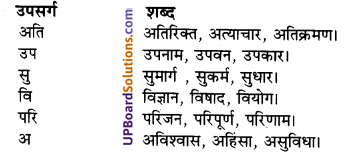
UP Board Solutions for Class 10 Hindi Chapter 6 अजन्ता (गद्य खंड) img-2

UP Board Solutions
प्रश्न 3
प्रत्ययरहित और प्रत्ययसहित शब्द-युग्म यहाँ दिये जा रहे हैं। इनका स्वरचित वाक्यों में इस प्रकार प्रयोग कीजिए कि इनके अर्थ का अन्तर स्पष्ट हो जाए।
कला-कलावन्त, हैवान-हैवानी, इंसान-इंसानियत, सुरक्षा-सुरक्षित, कल्याण-कल्याणकर।
उत्तर
कला-कलावन्त–कला की उपासना को कलावन्त अपना धर्म मानते हैं।
हैवान-हैवानी-हैवान की हैवानी के सम्मुख सभी विवश हो जाते हैं।
इंसान-इंसानियत-इंसान को कभी भी इंसानियत नहीं छोड़नी चाहिए।
सुरक्षा-सुरक्षित–कड़ी सुरक्षा-व्यवस्था के बावजूद (UPBoardSolutions.com) मन्त्री जी, सुरक्षित नहीं रह सके।
कल्याण-कल्याणकर-केवल कल्याणकर योजनाएँ बनाकर ही समाज का कल्याण नहीं हो सकता।

We hope the UP Board Solutions for Class 10 Hindi Chapter 6 अजन्ता (गद्य खंड) help you. If you have any query regarding UP Board Solutions for Class 10 Hindi Chapter 6 अजन्ता (गद्य खंड), drop a comment below and we will get back to you at the earliest.


UP Board Solutions for Class 10 Hindi Chapter 8 माखनलाल चतुर्वेदी (काव्य-खण्ड)

UP Board Solutions for Class 10 Hindi Chapter 8 माखनलाल चतुर्वेदी (काव्य-खण्ड)

These Solutions are part of UP Board Solutions for Class 10 Hindi. Here we have given UP Board Solutions for Class 10 Hindi Chapter 8 माखनलाल चतुर्वेदी (काव्य-खण्ड).

कवि-परिचय

प्रश्न 1.
माखनलाल चतुर्वेदी का जीवन-परिचय देते हुए उनकी रचनाओं का उल्लेख कीजिए। [2009]
या
कवि माखनलाल चतुर्वेदी का जीवन-परिचय दीजिए एवं उनकी किसी एक रचना का नाम लिखिए। [2011, 12, 13, 14, 15, 17]
उत्तर
श्री माखनलाल चतुर्वेदी एक ऐसे कवि थे, जिनमें राष्ट्रप्रेम कूट-कूटकर भरा हुआ था। परतन्त्र भारत की दुर्दशा को देखकर इनकी आत्मा चीत्कार कर उठी थी। ये एक ऐसे कवि थे, जिन्होंने युग की आवश्यकता को पहचाना। ये स्वयं त्याग (UPBoardSolutions.com) और बलिदान में विश्वास करते थे तथा अपनी कविताओं के माध्यम से देशवासियों को भी यही उपदेश देते थे। राष्ट्रीय भावनाओं से पूर्णतया ओत-प्रोत होने के कारण इन्हें ‘भारतीय आत्मा’ के नाम से सम्बोधित किया जाता है।

जीवन-परिचय–श्री माखनलाल चतुर्वेदी का जन्म सन् 1889 ई० में मध्य प्रदेश के होशंगाबाद जिले के ‘बाबई’ नामक ग्राम में हुआ था। इनके पिता का नाम पं० नन्दलाल चतुर्वेदी था, जो पेशे से अध्यापक थे। प्राथमिक शिक्षा विद्यालय में प्राप्त करने के पश्चात् इन्होंने घर पर ही संस्कृत, बांग्ला, गुजराती, हिन्दी और अंग्रेजी भाषाओं का ज्ञान प्राप्त किया। कुछ दिनों तक अध्यापन करने के अनन्तर आपने ‘प्रभा’ नामक मासिक पत्रिका का सम्पादन किया। ये खण्डवा से प्रकाशित ‘कर्मवीर’ पत्र का 30 वर्ष तक सम्पादन और प्रकाशन करते रहे।

श्री गणेशशंकर विद्यार्थी की प्रेरणा और सम्पर्क से इन्होंने राष्ट्रीय आन्दोलनों में भाग लिया और अनेक बार जेल-यात्रा भी की। कारावास के समय भी इनकी कलम नहीं रुकी और कलम के सिपाही के रूप में ये देश की स्वाधीनता के लिए लड़ते रहे। सन् 1943 ई० में आप हिन्दी-साहित्य सम्मेलन के सभापति निर्वाचित किये गये। इनकी हिन्दी-सेवाओं के लिए सागर विश्वविद्यालय ने इन्हें डी० लिट्० की उपाधि तथा भारत सरकार ने पद्मविभूषण’ की उपाधि से अलंकृत किया। अपनी कविताओं द्वारा नव-जागरण और क्रान्ति का शंख फेंकने वाला कलम का यह सिपाही 30 जनवरी, सन् 1968 ई० को दिवंगत हो गया।

UP Board Solutions

कृतियाँ-चतुर्वेदी जी एक पत्रकार, समर्थ निबन्धकार, प्रसिद्ध कवि और सिद्धहस्त सम्पादक थे, | परन्तु कवि के रूप में ही इनकी प्रसिद्धि अधिक है। इनके कविता-संग्रह हैं—(1) हिमकिरीटिनी, (2) हिमतरंगिनी, (3) माता, (4) युगचरण, (5) समर्पण, (6) वेणु लो गॅजे धरा। इनकी ‘हिमतरंगिनी साहित्य अकादमी पुरस्कार से पुरस्कृत रचना है। इनकी अन्य प्रमुख कृतियाँ हैं

‘साहित्य देवता’ चतुर्वेदी जी के भावात्मक निबन्धों का संग्रह है। ‘रामनवमी’ में प्रभु-प्रेम और देश-प्रेम को एक साथ चित्रित किया गया है। ‘सन्तोष’ और ‘बन्धन सुख’ नामक रचनाओं में श्री गणेशशंकर विद्यार्थी की मधुर स्मृतियाँ सँजोयी गयी हैं। इनकी कहानियों (UPBoardSolutions.com) का संग्रह कला का अनुवाद’ नाम से प्रकाशित हुआ। ‘कृष्णार्जुन युद्ध’ नामक रचना में पौराणिक कथानक को भारतीय नाट्य-परम्परा के अनुसार प्रस्तुत किया गया है।

साहित्य में स्थान–श्री माखनलाल चतुर्वेदी जी की रचनाएँ हिन्दी-साहित्य की अमूल्य धरोहर हैं। आपने ओजपूर्ण भावात्मक शैली में रचनाएँ कर युवकों में जो ओज और प्रेरणा का भाव भरा है, उसका राष्ट्रीय स्वतन्त्रता आन्दोलन में बहुत बड़ा योगदान है। राष्ट्रीय चेतना के कवियों में आपका मूर्धन्य स्थान है। हिन्दी साहित्य जगत् में आप अपनी हिन्दी-साहित्य सेवा के लिए सदैव याद किये जाएँगे।

पद्यांशों की सन्दर्भ व्याख्या

पुष्प की अभिलाषा
प्रश्न 1.
चाह नहीं, मैं सुरबाला के गहनों में गूंथा जाऊँ,
चाह नहीं प्रेमी-माला में बिंध प्यारी को ललचाऊँ,
चाह नहीं सम्राटों के शव पर हे हरि डाला जाऊँ,
चाह नहीं देवों के सिर पर चढ़े भाग्य पर इठलाऊँ,
मुझे तोड़ लेना बनमाली,
उस पथ में देना तुम फेंक।
मातृ-भूमि पर शीश चढ़ाने,
जिस पर जावें वीर अनेक ॥ [2009, 13, 15]
उत्तर
[चाह = इच्छा। सुरबाला = देवबाला। बिंध = गुंथकर। शव = मृत शरीर। इठलाऊँ = इतराऊँ,
अभिमान करू].

सन्दर्भ-प्रस्तुत कविता हमारी पाठ्य-पुस्तक ‘हिन्दी’ के ‘काव्य-खण्ड में संकलित और माखनलाल चतुर्वेदी द्वारा रचित ‘पुष्प की अभिलाषा’ शीर्षक कविता से अवतरित है। यह कविता चतुर्वेदी जी के ‘युगचरण’ नामक काव्य-संग्रह से संगृहीत है।

प्रसंग-इन पंक्तियों में कवि ने पुष्प के माध्यम से देश पर (UPBoardSolutions.com) बलिदान होने की प्रेरणा दी है।

UP Board Solutions

व्याख्या-कवि अपनी देशप्रेम की भावना को पुष्प की अभिलाषा के रूप में व्यक्त करते हुए कहता है कि मेरी इच्छा किसी देवबाला के आभूषणों में गूंथे जाने की नहीं है। मेरी इच्छा यह भी नहीं है कि मैं प्रेमियों को प्रसन्न करने के लिए प्रेमी द्वारा बनायी गयी माला में पिरोया जाऊँ और प्रेमिका के मन को आकर्षित करूं। हे प्रभु! न ही मेरी यह इच्छा है कि मैं बड़े-बड़े राजाओं के शवों पर चढ़कर सम्मान प्राप्त करूं। मेरी यह कामना भी (UPBoardSolutions.com) नहीं है कि मैं देवताओं के सिर पर चढ़कर अपने भाग्य पर अभिमान करूं। भाव यह है कि इस प्रकार के किसी भी सम्मान को पुष्प अपने लिए निरर्थक समझता है।

पुष्प उपवन के माली से प्रार्थना करता है कि हे माली ! तुम मुझे तोड़कर उस मार्ग में डाल देना, जिस मार्ग से होकर अनेक राष्ट्र-भक्त वीर, मातृभूमि पर अपने प्राणों का बलिदान करने के लिए जा रहे हों। फूल उन वीरों की चरण-रज का स्पर्श पाकर भी अपने को धन्य मानेगा; क्योंकि उनके चरणों पर चढ़ना ही देश के बलिदानी वीरों के लिए उसकी सच्ची श्रद्धांजलि है।

काव्यगत सौन्दर्य-

  1. कवि ने फूल के माध्यम से अपने देशप्रेम की भावना को व्यक्त किया है।
  2. कवि किसी राजनेता की भॉति सम्मान-प्राप्ति की अपेक्षा,देश की रक्षा के लिए नि:स्वार्थ प्राण-उत्सर्ग करने में गौरव मानता है।
  3. भाषा-सरल खड़ीबोली।
  4. शैली–प्रतीकात्मक, आत्मपरक तथा भावनात्मक
  5. रस-वीर।
  6. गुण-ओज।
  7. शब्दशक्ति-अभिधा एवं लक्षणा।
  8. अलंकार पद्य में सर्वत्र (UPBoardSolutions.com) अनुप्रास और पुनरुक्तिप्रकाश।
  9. छन्द-तुकान्त-मुक्त।

जवानी
प्रश्न 1.
प्राण अन्तर में लिये, पागल जवानी।
कौन कहता है कि तू
विधवा हुई, खो आज पानी ?
चल रही घड़ियाँ, चले नभ के सितारे,
चल रही नदियाँ, चले हिम-खण्ड प्यारे;
चल रही है साँस, फिर तू ठहर जाये ?
दो सदी पीछे कि तेरी लहर जाये ?
पहन ले नर-मुंड-माला,
उठ, स्वमुंड सुमेरु कर ले,
भूमि-सा तू पहन बाना आज धानी :
प्राण तेरे साथ हैं, उठ री जवानी ! (2018)
उत्तर
[विधवा = निस्तेज के लिए प्रयुक्त। पानी = तेज, स्वाभिमानी के लिए प्रयुक्त चल रही घड़ियाँ लहर जाये = सबमें गति है और तेरी प्रगति रुक जाए, यह कैसे सम्भव है। दो शताब्दियों के बाद तेरी उमंग जागे, यह ठीक नहीं। स्वमुंड सुमेरु कर ले = अपने सिर को मुण्ड-माला का सबसे बड़ा दाना बना ले। जीने की ममता त्याग दे। भूमि-सा“ आज धानी = जैसे लहलहाते हुए धानों की हरियाली में धरती का जीवन झलकता है, (UPBoardSolutions.com) उसी प्रकार अपनी निस्तेज उदास जवानी को जीवन दो।] सन्दर्भ–प्रस्तुत पद्यांश हमारी पाठ्य-पुस्तक ‘हिन्दी के काव्य-खण्ड में संकलित और श्री माखनलाल चतुर्वेदी द्वारा रचित ‘जवानी’ कविता से उद्धृत है। यह कविता श्री चतुर्वेदी जी के संग्रह ‘हिमकिरीटिनी’ से ली गयी है।

UP Board Solutions

[ विशेष—इस शीर्षक के अन्तर्गत आने वाले समस्त पद्यांशों के लिए यही सन्दर्भ प्रयुक्त होगा।]

प्रसंग-इस पद्य में देश की युवा-शक्ति में उत्साह का संचार करते हुए उसे देशोत्थान के कार्यों में प्रवृत्त होने का आह्वान किया गया है। कवि युवाओं को सम्बोधित करता हुआ कहता है

व्याख्या–अरी युवकों की पागल जवानी! तू अपने भीतर उत्साह एवं शक्तिरूपी प्राणों को समेटे है। यह कौन कहता है कि तूने अपना पानी (तेज) रूपी पति खो दिया है और तू विधवा होकर निस्तेज हो गयी है ? मैं आज जिधर भी दृष्टिपात करता हूँ, उधर गति-ही-गति देखता हूँ। घड़ियाँ अर्थात् समय निरन्तर चल रहा है। आसमान के सितारे भी गतिमान हैं। नदियाँ निरन्तर प्रवहमान हैं और पहाड़ों पर बर्फ के टुकड़े सरक-सरककर अपनी गति का प्रदर्शन कर रहे हैं। प्राणिमात्र की साँसें भी निरन्तर चल रही हैं। इस सर्वत्र गतिशील वातावरण में ऐसा कैसे सम्भव हो सकता है कि तू ठहर जाये ? इस गतिमान समय में (UPBoardSolutions.com) यदि तू ठहर गयी और तुझमें गति का ज्वार-भाटा न आया तो तू दो शताब्दी पिछड़ जाएगी। समय बीत जाने पर जब तुझमें तरंगें उठेगी तो उन तरंगों में दो शताब्दी पीछे वाली गति होगी; अर्थात् जवानी के अलसा जाने पर देश की प्रगति दो शताब्दी पिछड़ जाएगी।

हे नवयुवकों की जवानी! तू उठ और दुर्गा की भाँति मनुष्यों के मुण्डों की माला पहन ले। नरमुण्डों की इस माला में तू अपने सिर को सुमेरु बना, अर्थात् बलिदान के क्षेत्र में तू सर्वोपरि बन। यदि आज समर्पण की आवश्यकता पड़े तो तू उससे पीछे मत हट। जिस प्रकार लहलहाते हुए धानों की हरियाली में धरती का जीवन झलकता है, ऐसे ही हे जवानी, तू भी उत्साह में भरकर धानी चूनर ओढ़ ले। प्राण-तत्त्व तेरे साथ है; अतः हे युवकों की जवानी! तू आलस्य को त्यागकर उठ खड़ी हो और सर्वत्र क्रान्ति ला दे।

काव्यगत सौन्दर्य-

  1. इन पंक्तियों में कवि ने देश के युवा वर्ग का आह्वान किया है कि वह देश पर अपने को उत्सर्ग कर इसे स्वतन्त्र कराये।
  2. भाषा–सहज और सरल खड़ी बोली
  3. शैलीउद्बोधन।
  4. रस–वीर।
  5. गुण-ओज।
  6. शब्दशक्ति-अभिधा, लक्षणा एवं व्यंजना।
  7. अलंकारे–अनुप्रास, उपमा एवं रूपक।
  8. छन्द-तुकान्त-मुक्त।

UP Board Solutions

प्रश्न 2.
द्वार बलि का खोल चल, भूडोल कर दें
एक हिम-गिरि एक सिर का मोल कर दें,
मसल कर, अपने इरादों-सी, उठा कर,
दो हथेली हैं कि पृथ्वी गोल कर दें?
रक्त है ? या है नसों में क्षुद्र पानी !
जाँच कर, तू सीस दे-देकर जवानी ? [2016, 18]
उत्तर
[ भूडोल = पृथ्वी को कॅपाना। इरादों = संकल्पों, इच्छाओं, विचारों। क्षुद्र = तुच्छ।]

प्रसंग-प्रस्तुत पंक्तियों के माध्यम से चतुर्वेदी जी (UPBoardSolutions.com) देश के युवा वर्ग को उत्साहित कर रहे हैं कि वह देश की वर्तमान परिस्थिति को बदल दें।।

व्याख्या-चतुर्वेदी जी युवकों का आह्वान करते हुए कहते हैं कि हे युवको! तुम अपनी मातृभूमि के लिए बलिदान देने की परम्परा का द्वार खोलकर इस धरती को कम्पायमान कर दो और हिमालय के एक-एक कण के लिए एक-एक सिर समर्पित कर दो।।

हे नौजवानो! तुम्हारे संकल्प बहुत ऊँचे हैं जिन्हें पूर्ण करने के लिए तुम्हारे पास दो हथेलियाँ हैं। अपनी उन हथेलियों को अपने ऊँचे संकल्पों के समान उठाकर तुम पृथ्वी को गोल कर सकते हो; अर्थात् बड़ी-सेबड़ी बाधा को हटा सकते हो।

हे वीरो! तुम अपनी युवावस्था की परख अपने शीश देकर कर सकते हो। इस बलिदानी परीक्षण से तुम्हें यह भी ज्ञात हो जाएगा कि तुम्हारी धमनियों में शक्तिशाली रक्त दौड़ रहा है अथवा उनमें केवल शक्तिहीन पानी ही भरा हुआ है।

UP Board Solutions

काव्यगत सौन्दर्य-

  1. कवि के अनुसार युवक अपनी संकल्प-शक्ति से सब कुछ बदल सकते हैं।
  2. कवि द्वारा नवयुवकों में उत्साह का संचार किया गया है।
  3. भाषा-विषय के अनुकूल शुद्ध परिमार्जित खड़ी बोली।
  4. शैली–उद्बोधन।
  5. रस-वीर।
  6. गुण-ओज।
  7. शब्दशक्तिव्यंजना।
  8. अलंकार-‘अपने इरादों-सी, उठाकर’ में उपमा तथा सम्पूर्ण पद में अनुप्रास। “
  9. छन्द-तुकान्त-मुक्त।

प्रश्न 3.
वह कली के गर्भ से फल रूप में, अरमान आया !
देखें तो मीठा इरादा, किस तरह, सिर तान आया ।
डालियों ने भूमि रुख लटका दिया फल देख आली !
मस्तकों को दे रही संकेत कैसे, वृक्ष-डाली ! [2016]
फल दिये? या सिर दिये तरु की कहानी
गॅथकर युग में, बताती चल जवानी !
उत्तर
[ कली के गर्भ से = कली के अन्दर से। अरमान = अभिलाषा। आली = सखी।]

प्रसंग-कवि ने अपनी ओजस्वी वाणी में वृक्ष और (UPBoardSolutions.com) उसके फलों के माध्यम से युवकों में देश के लिए बलिदान होने की प्रेरणा प्रदान की है।

व्याख्या-हे युवाओ! फल के भार से लदे हुए वृक्षों की ओर देखो। वे पृथ्वी की ओर अपना मस्तक झुकाये हुए हैं। कली के भीतर से झाँकते फल कली के संकल्पों (अरमानों) को बता रहे हैं। ‘तुम्हारे हृदय से भी इसी प्रकार बलिदान हो जाने का संकल्प प्रकट होना चाहिए। यह तो बहुत ही प्यारा संकल्प है, इसीलिए पुष्प-कली गर्व से सिर उठाये हुए हैं। जब फल पक गये, तब डालियों ने पृथ्वी की ओर सिर झुका दिया है। अब ये फल दूसरों के लिए अपना बलिदान करेंगे। हे मित्र नौजवानो! वृक्षों की ये शाखाएँ तुम्हें संकेत दे रही हैं कि औरों के लिए मर-मिटने को तैयार हो जाओ। वृक्षों ने फल के रूप में अपने सिर बलिदान हेतु दिये हैं। तुम भी अपना सिर देकर वृक्षों की इस बलिदान-परम्परा को अपने जीवन में उतारो, आचरण में ढालो और युग की आवश्यकतानुसार स्वयं को उसकी प्रगतिरूपी माला में गूंथते हुए आगे बढ़ते रहो।

UP Board Solutions

काव्यगत सौन्दर्य-

  1. प्रस्तुत अंश द्वारा कवि युवाओं को यह सन्देश देते हैं कि जिस प्रकार वृक्ष अपने फल स्वयं नहीं खाते, उसी प्रकार उन्हें भी अपनी जवानी परहित में लगानी चाहिए।
  2. भाषा-सरल खड़ी बोली
  3. शैली–उद्बोधन।
  4. रस-वीर।
  5. गुण-ओज।
  6. शब्दशक्ति-व्यंजना।
  7. अलंकार-अनुप्रास, उपमा एवं रूपक।
  8. छन्द-मुक्त-तुकान्तः

प्रश्न 4.
श्वान के सिर हो-चरण तो चाटता है!
भौंक ले—क्या सिंह को वह डाँटता है?
रोटियाँ खायीं कि साहस खो चुका है,
प्राणि हो, पर प्राण से वह जा चुका है।
तुम न खेलो ग्राम-सिंहों में भवानी !
विश्व की अभिमान मस्तानी जवानी !
उत्तर
[श्वान = कुत्ता। ग्राम सिंह = कुत्ता। भवानी = दुर्गारूपी जवानी।]

प्रसंग-इन पंक्तियों में कवि ने स्वाभिमान के महत्त्व पर (UPBoardSolutions.com) प्रकाश डालते हुए युवकों से उसे किसी भी कीमत पर न खोने का आह्वान किया है।

व्याख्या-कवि कहता है कि कहने को सिर तो कुत्ते का भी होता है, पर उसमें स्वाभिमान तो नहीं होता । वह तो अपनी क्षुधापूर्ति के लिए दूसरों की चाटुकारी करता फिरता है और उनके पैरों को चाटता रहता है। इसलिए स्वाभिमान के अभाव में उसकी वाणी में कोई शक्ति नहीं रह जाती। कुत्ता चाहे कितना ही जोर से भौंक ले, किन्तु उसमें इतना साहस ही नहीं होता कि उसके भौंकने से सिंह डर जाए; क्योंकि दूसरे की रोटियाँ खाते ही उसका स्वाभिमान नष्ट हो जाता है। उसमें साहस नहीं रह जाता। इस प्रकार जीवित होने पर भी वह मरे हुए के समान हो जाता है; अतः हे देश के शक्तिस्वरूप नवयुवको! तुम्हें अपने स्वाभिमान की रक्षा करनी है और पराधीन नहीं रहना है। कुत्तों की भाँति रोटी के टुकड़ों के लिए अपने स्वाभिमान को नहीं खोना है। तुम्हें अपनी प्रचण्ड दुर्गा जैसी असीम शक्ति को आपसी झगड़ों (UPBoardSolutions.com) में नष्ट नहीं करना है, अपितु उसे देश के दुश्मनों के संहार में लगाना है। तुम्हारी ऐसी मस्तानी जवानी का सारी दुनिया लोहा मानती है।

UP Board Solutions

काव्यगत सौन्दर्य-

  1. यहाँ कवि ने युवकों को कायरता और चाटुकारिता से बचकर स्वाभिमान से जीने और देश के हित में कार्य करने की प्रेरणा दी है।
  2. श्वान (कुत्ता) यहाँ उन लोगों का प्रतीक है, जो अंग्रेजों की रोटियाँ खाकर उनके हाथों की कठपुतली बने हुए हैं।
  3. भाषा-परिमार्जित खड़ी बोली।
  4. शैली-उद्बोधन।
  5. रस-वीर।
  6. गुण-ओज।
  7. अलंकार–अनुप्रास, रूपक और उपमा।
  8. छन्द-मुक्त और तुकान्त।
  9. भावसाम्य-स्वाभिमान को जीवन का प्रतीक बताते हुए गुप्त जी ने कहा है

जिसमें न निज गौरव तथा निज जाति का अभिमान है।
वह नर नहीं है, पशु निरा और मृतक समान है।।

प्रश्न 5.
ये न मग हैं, तव चरण की रेखियाँ हैं,
बलि दिशा की अमर देखा-देखियाँ हैं।
विश्व पर, पद से लिखे कृति लेख हैं ये,
धरा तीर्थों की दिशा की मेख हैं ये !
प्राण-रेखा खींच दे उठ बोल रानी,
री मरण के मोल की चढ़ती जवानी।
उत्तर
[ मग = मार्ग। तव = तुम्हारे। रेखियाँ = रेखाएँ। बलि-दिशा = बलिदान की दिशा। कृति-लेख = कर्मों के लेख] |

प्रसंग-इन पंक्तियों में कवि नवयुवकों को अपने महान् और बलिदानी पूर्वजों के बनाये और दिखाये गये मार्ग पर चलने की प्रेरणा प्रदान करता है। |

व्याख्या—मेरे देश के नवयुवको! जिस मार्ग पर तुम चलते हो, वह कोई साधारण मार्ग नहीं है, अपितु तुम्हारे पूर्वजों द्वारा चरणों की रेखाओं से निर्मित आदर्श मार्ग है। जिन आदर्शों के आधार पर हम अपने जीवन का निर्माण करते हैं, वे सभी आदर्श तुम्हारे सदृश (UPBoardSolutions.com) युवा-पुरुषों के द्वारा निर्मित हैं। यह मार्ग बलिदान का आदर्श मार्ग है, जिसको देखकर युगों-युगों तक लोग स्वयं ही बलिदान के लिए प्रेरित होते रहेंगे।

कवि कहता है कि इन बलिदान-पथों का निर्माण उत्साही नवयुवकों ने किया है। कर्मशील युवकों ने अपने सत्कार्यरूपी पदों से इन विश्व-मोर्गों का निर्माण किया है; अत: ये कर्मशील युवकों के कर्म के लेख हैं, जो बलिदान के मार्ग पर चलने वाले युवकों का मार्गदर्शन करते हैं। ये बलिदान के मार्ग संसार के तीर्थों की दिशा बताने वाली कील (दिशासूचक) हैं। युवक जिन स्थानों पर अपना बलिदान करते हैं, वे स्थान पृथ्वी पर बलिदान के तीर्थ (पवित्र स्थान) समझे जाते हैं।

UP Board Solutions

कवि अन्त में कहता है कि हे उत्साहपूर्ण जवानीरूपी रानी! आज तू अपने प्राणों का बलिदान देकर विश्व के युवकों के लिए बलिदान की नयी रेखा खींच दे अर्थात् एक नया प्रतिमान बना दे। हे युवको ! तुम । उठो और संसार को बता दो कि जवानी की महत्ता देश के लिए मर-मिटने में ही है।

काव्यगत सौन्दर्य–

  1. युवा-शक्ति के बलिदान से ही नये आदर्शों का निर्माण हुआ करता है।
  2. युवकों की जवानी का महत्त्व त्याग-बलिदान से ही जाना जाता है।
  3. यहाँ राष्ट्र-कल्याण के लिए बलिदान का पथ-प्रशस्त करने की बात कहकर कवि ने अपनी देशभक्ति का पावन भाव व्यक्त किया है।
  4. भाषा-सरल खड़ी. बोली।
  5. शैली–प्रतीकात्मक और (UPBoardSolutions.com) उद्बोधनात्मक।
  6. रस-वीर।
  7. गुण-ओज।
  8. अलंकार-पद्य में सर्वत्र रूपक और अनुप्रास।
  9. छन्द-तुकान्त-मुक्त।
  10. भावसाम्य-महाकवि ‘निराला’ भी मातृभूमि पर अपने सर्वस्व को अर्पित करते हुए कहते हैं

नर-जीवन के स्वार्थ सकल
बलि हों तेरे चरणों पर, माँ,
मेरे श्रम-संचित सब फल।

प्रश्न 6.
टूटता-जुड़ता समय-‘भूगोल’ आया,
गोद में मणियाँ समेट ‘खगोल’ आया,
क्या जले बारूद? हिम के प्राण पाये !
क्या मिला? जो प्रलय के सपने में आये।
धरा? यह तरबूज है दो फाँक कर दे,
चढ़ा दे स्वातन्त्र्य-प्रभु पर अमर पानी !
विश्व माने-तू जवानी है, जवानी !
उत्तर
[भूगोल = भूमण्डल। मणियाँ = ग्रह-नक्षत्र। खगोल = आकाश-मण्डल। हिम के प्राण पाये = ठण्डी .. होकर। स्वातन्त्र्य-प्रभु = स्वतन्त्रतारूपी ईश्वर। ]

प्रसंग-कवि ने युवकों को देश के गौरव की रक्षा के लिए, देश में क्रान्तिकारी परिवर्तन लाने के लिए उन्हें प्रेरित और प्रोत्साहित किया है।

व्याख्या-चतुर्वेदी जी कहते हैं कि हे युवको! समय का भूगोल हमेशा एक जैसा नहीं रहा। तुमने जब-जब क्रान्ति की है, तब-तब यह टूटा है और जुड़ा है अर्थात् नये-नये राष्ट्र बने हैं। तुम्हारी क्रान्ति का सत्कार करने के लिए ही यह ब्रह्माण्ड अनेक रंग-बिरंगे तारारूपी मणियों को अपनी गोद में लेकर प्रकट हुआ है। अतः तुम्हारा स्वभाव इतना ओजस्वी होना चाहिए, जिससे कि विश्व का मानचित्र और इतिहास बदला जा सके। (UPBoardSolutions.com) हे युवको! तुम्हें चाहिए कि तुम अपने जीवन की जगमगाहट से देश के गौरव को प्रकाशित करो, किन्तु जिनके हृदय बर्फ की तरह ठण्डे पड़ गये हैं, वे उसी प्रकार क्रान्ति नहीं कर सकते, जिस प्रकार कि ठण्डा बारूद नहीं जल सकता। हे युवको! तुम यदि प्रलय की भाँति पराधीनता और अन्याय के प्रति क्रान्ति नहीं कर सकते तो तुम्हारी जवानी व्यर्थ है। तुम चाहो तो पृथ्वी को भी तरबूज की तरह चीर सकते हो। हे देश के युवकों की जवानी! तू यदि देश की आजादी के लिए अपना रक्तरूपी अमर पानी दे दे तो तू अमर हो जाएगी और संसार में तेरा उदाहरण देकर तुझे सराहा जाएगा।

UP Board Solutions

काव्यगत सौन्दर्य-

  1. कवि का मानना है कि विध्वंस की गोद से ही निर्माण के पुष्प खिलते हैं। और प्रलय के बाद ही नयी सृष्टि का निर्माण होता है।
  2. युवा-शक्ति के द्वारा ही परिवर्तन लाया जा सकता है; अत: युवाओं को क्रान्ति के लिए सदैव तैयार रहना चाहिए।
  3. भाषा-प्रवाहपूर्ण, सरल खड़ी बोली।
  4. शैली–प्रतीकात्मक और उद्बोधनात्मक।
  5. रस-वीर।
  6. छन्द-मुक्त-तुकान्त।
  7. गुणओजः
  8. शब्दशक्ति–लक्षण एवं व्यंजना।
  9. अलंकार-अनुप्रास, उपमा एवं रूपक।
  10. भावसाम्य–कविवर श्यामनारायण पाण्डेय ने भी ऐसे ही भाव व्यक्त किये हैं

उस कालकूट पीने वाले के, नयन याद कर लाल-लाल।।
डग-डंग ब्रह्माण्ड हिला देगा, जिसके ताण्डव का ताल-ताल ।।

प्रश्न 7.
लाल चेहरा है नहीं–पर लाल किसके?
लाल खून नहीं ? अरे, कंकाल किसके ?
प्रेरणा सोयी कि आटा-दाल किसके?
सिर न चढ़ पाया कि छापा-माल किसके ?
वेद की वाणी कि हो आकाश-वाणी,
धूल है जो जम नहीं पायी जवानी।
उत्तर
[ लाल = लाल रंग, पुत्र, एक बहुमूल्य मणि। कंकाल = हड्डी का ढाँचा। छापा-माल = तिलक एवं माला। ]

प्रसंग–प्रस्तुत पद में कवि ने युवकों को प्रेरणा देते हुए उन्हें वीर पुरुष के लक्षण समझाये हैं।

व्याख्या-हे युवको! यदि तुम्हारे खून में लाली नहीं है अथवा तुम्हारा चेहरा ओज गुण से लाल नहीं है अर्थात् देश के गौरव की रक्षा के लिए यदि तुममें बलिदान होने का उत्साह नहीं है तो तुम्हें भारतमाता का लाल नहीं कहा जा सकता। (UPBoardSolutions.com) तुम्हारे रक्त में यदि लालिमा नहीं है अर्थात् उष्णतारूपी जोश नहीं है तो तुम्हारा अस्थि-पंजर देश के किस काम आएगा ? यदि देश पर बलिदान होने की तुम्हारी प्रेरणा सो गयी है तो तुम्हारे ये शरीर शत्रु के लिए आटा-दाल के रूप में भोज्य-पदार्थमात्र बनकर रह जाएँगे। तुम्हारे सिर की शोभा धार्मिक क्रिया-काण्डों के छापा-तिलक लगाने से या माला धारण करने से नहीं बढ़ेगी, वरन् देश पर बलिदान होने से बढ़ेगी। तात्पर्य यह है कि इन धार्मिक प्रतीकों का तब तक कोई मूल्य नहीं है जब तक मातृ-भूमि पर शीश चढ़ाने का भाव हृदय में न पैदा हो। कवि पुनः कहता है कि जिस कविता से युवकों में उत्साह न जगाया जा सके, वह कविता भी निरर्थक है। भले ही वह पवित्र वेदों से उधृत हो अथवा स्वयं देवताओं के मुख से निकली आकाशवाणी हो। –

UP Board Solutions

काव्यगत सौन्दर्य-

  1. यहाँ स्वाभिमान तथा बलिदान का महत्त्व समझाया गया है।
  2. त्याग की भावना को ही प्रेम की शोभा बताया गया है।
  3. भाषा-साहित्यिक खड़ी बोली।
  4. शैली–प्रवाहमयी तथा ओजपूर्ण।
  5. रस-वीर।
  6. गुण-ओज।
  7. छन्द-मुक्त-तुकान्त।
  8. अलंकार-‘लाल चेहरा है नहीं, फिर लाल किसके’ में अनुप्रास तथा यमक एवं ‘टूटता-जुड़ता ………….. हे जवानी’ में सर्वत्र उपमा । और रूपक की छटा।
  9. भावसाम्य-बलिदान को महिमामण्डित करते हुए अन्यत्र भी कहा गया है

त्याग बिना निष्प्राण प्रेम है,
करो प्रेम पर प्राण निछावर।

प्रश्न 8.
विश्व है असि का नहीं संकल्प का है;
हर प्रलय का कोण, कायाकल्प का है।
फूल गिरते, शूल शिर ऊँचा लिये हैं,
रसों के अभिमान को नीरस किये हैं।
खून हो जाये न तेरा देख, पानी
मरण का त्यौहार, जीवन की जवानी ! [2016, 18]
उत्तर
[ असि = तलवार। संकल्प = दृढ़ निश्चय। प्रलय = क्रान्ति। कायाकल्प = पूर्ण परिवर्तन, क्रान्ति। शूल = काँटे। रस = सौन्दर्य, शृंगारिक आनन्द। नीरस = रस-विहीन, आभाहीन, परास्त।]

प्रसंग-इन पंक्तियों में युवा-शक्ति को क्रान्ति का अग्रदूत मानते हुए युवकों को आत्म-बलिदान की प्रेरणा दी गयी है।

व्याख्या-कवि नवयुवकों को क्रान्ति के लिए उत्तेजित करते हुए कहता है कि क्या यह संसार तलवार का है ? क्या संसार को तलवार की धार या शस्त्र-बल से ही जीता जा सकता है ? नहीं, यह बात नहीं है। यह संसार दृढ़ निश्चय वाले व्यक्तियों का है। इसे (UPBoardSolutions.com) उन्हीं के द्वारा ही जीता जा सकता है। प्रत्येक प्रलय का उद्देश्य संसार के अन्दर पूर्ण परिवर्तन (क्रान्ति) ला देना होता है। हे युवाओ! यदि तुम निश्चय करके नव-निर्माण के लिए अग्रसर हो जाओ तो तुम समाज व व्यवस्था में प्रलय की तरह पूर्ण परिवर्तन कर सकते हो; अतः तुम्हें दृढ़ संकल्प के द्वारा नयी क्रान्ति के लिए अग्रसर होना चाहिए।

UP Board Solutions

जब व्यक्ति के अन्दर दृढ़ संकल्पों की कमी होती है तो उसका पतन हो जाता है। वायु के हल्के झोंके से ही फूल नीचे गिर जाते हैं और उनकी सुन्दरता नष्ट हो जाती है, लेकिन काँटे आँधी और तूफान में भी गर्व से अपना सिर उठाये खड़े रहते हैं। हे युवको! दृढ़ संकल्प से मर-मिटने की भावना उत्पन्न होती है और ऐसे व्यक्ति कभी अपने इरादे से विचलित नहीं होते। काँटे फूलों की कोमलता और सरसता के अभिमान को अपनी दृढ़ संकल्प-शक्ति से चकनाचूर कर देते हैं।

कवि जवानी को सम्बोधित करते हुए कहता है कि हे जवानी! देख तेरी नसों के रक्त में जो उत्साहरूपी उष्णता है, उस उत्साह के नष्ट हो जाने से तेरा रक्त शीतल होकर कहीं पानी के रूप में परिवर्तित न हो जाये; अर्थात् तेरा जोश ठण्डा न पड़ जाये। जीवन में जवानी उसी का नाम है, जो मृत्यु को उत्सव और उल्लासपूर्ण क्षण समझे। जीवन में बलिदान का दिन ही जवानी का सबसे आनन्दमय दिन होता है। |

काव्यगत सौन्दर्य-

  1. दृढ़ संकल्प से ही क्रान्ति लायी जा सकती है। परिवर्तन शस्त्र-प्रयोग से नहीं, दृढ़ संकल्प से सम्भव है।
  2. नवयुवक अपने प्राणों का बलिदान करके विश्व का नव-निर्माण कर सकते हैं।
  3. भाषा-ओजपूर्ण खड़ीबोली।
  4. शैली–उद्बोधनात्मक।
  5. रस-वीर।
  6. छन्दमुक्त-तुकान्त।
  7. गुण-ओज।
  8. शब्दशक्ति-लक्षणा एवं व्यंजना।
  9. अलंकार-सम्पूर्ण पद्य में उपमा और अनुप्रास।

UP Board Solutions

काव्य-सौन्दर्य एवं व्याकरण-बोध

प्रश्न 1.
‘जवानी’ कविता का सौन्दर्य उसकी फड़कती ओजपूर्ण शब्द-शैली में प्रस्फुटित हुआ है। कविता से उदाहरण देते हुए इस कथन की पुष्टि कीजिए।
उत्तर
‘जवानी’ कविता का वास्तविक सौन्दर्य उसकी ओजपूर्ण शब्द-शैली में ही प्रस्फुटित हुआ है। शब्दों का आघात इतना तीव्र है कि निष्प्राण-सा व्यक्ति भी उत्साह में आकर कुछ कर गुजरने के लिए तत्पर हो जाये। निम्नलिखित पंक्तियाँ भला किसकी रगों (UPBoardSolutions.com) में उत्साह का संचार नहीं कर सकतीं-

  1. दो हथेली हैं कि पृथ्वी गोल कर दें ?
  2. री मरण के मोल की चढ़ती जवानी !
  3. धरा ? यह तरबूज है दो फाँक कर दे।
  4. लाल चेहरा है नहीं–पर लाल किसके ?
  5. खून हो जाये न तेरा देख, पानी।

प्रश्न 2.
निम्नलिखित पंक्तियों में प्रयुक्त अलंकार का नाम सहित स्पष्टीकरण दीजिए-
(क) मसलकर, अपने इरादों-सी उठाकर,
दो हथेली हैं कि पृथ्वी गोल कर दें?
(ख) लाल चेहरा है नहीं-पर लाल किसके ?
उत्तर
(क) इरादों की उच्चता से हथेलियों की समानता करने के कारण उपमा अलंकार है।
(ख) प्रथम ‘लाल’ शब्द का अर्थ लाल रंग तथा द्वितीय ‘लाल’ शब्द का अर्थ पुत्र है; अतः यहाँ यमक अलंकार है।

UP Board Solutions

प्रश्न 3.
माखनलाल चतुर्वेदी की पुस्तक में दी गयी दोनों कविताएँ वीर रस से परिपूर्ण हैं। वीर रस को परिभाषित करते हुए पाठ से दो उदाहरण दीजिए।
उत्तर
परिभाषा ‘काव्य-सौन्दर्य के तत्त्व’ के अन्तर्गत देखें। उदाहरण के लिए प्रश्न (2) की काव्य पंक्तियाँ देखें।

प्रश्न 4.
कविताओं में आये निम्नलिखित मुहावरों को अपने वाक्यों में प्रयोग कीजिए- :-
पृथ्वी को गोल करना, नसों में पानी होना, चरण चाटना, प्रलय के सपने आना, माई का लाल, कायाकल्प होना, खून पानी होना।
उत्तर
पृथ्वी गोल करना–यदि व्यक्ति मन में ठान ले तो वह अपने हाथों से मसलकर पृथ्वी को गोल कर सकता है।
नसों में पानी होना—किसी भी देश को हमसे टकराने से पहले यह सोच लेना चाहिए कि हमारी नसों में पानी नहीं बहता। |
चरण चाटना-चरण चाटकर आजीविका कमाने से अच्छा तो सम्मानसहित मर जाना है।
प्रलय के सपने आना-हमारी चुप्पी का मतलब हमारी कमजोरी (UPBoardSolutions.com) नहीं है, हमें भी प्रलय के सपने आते हैं, यह पड़ोसी राष्ट्र को भली प्रकार समझ लेना चाहिए।
माई का लाल-है कोई माई का लाल, जो शतरंज में विश्वनाथ आनन्द का सामना कर सके।
कायाकल्प होना–दो ही सालों में मेरठ का कायाकल्प हो गया।
खून पानी होना-आतंकवादी आते हैं और सरेआम हत्याएँ करके चले जाते हैं, कोई उनका विरोध नहीं करता, लगता है जैसे सबका खून पानी हो गया है।

We hope the UP Board Solutions for Class 10 Hindi Chapter 8 माखनलाल चतुर्वेदी (काव्य-खण्ड) help you. If you have any query regarding UP Board Solutions for Class 10 Hindi Chapter 8 माखनलाल चतुर्वेदी (काव्य-खण्ड), drop a comment below and we will get back to you at the earliest.

UP Board Solutions for Class 10 Commerce Chapter 23 Labour: Meaning, Characteristics and Efficiency

UP Board Solutions for Class 10 Commerce Chapter 23 Labour: Meaning, Characteristics and Efficiency

Labour: Meaning, Characteristics and Efficiency Objective Type Questions (1 Mark)

Question 1.
Labour plays a very important role in:
(a) Economy
(b) Production
(c) Manufacturing
(d) None of these
Answer:
(b) Production

Question 2.
Land is a passive factor of ……..
(a) Production
(b) Assets
(c) Organisation
(d) None of these
Answer:
(a) Production

UP Board Solutions

Question 3.
Physical labourer requires the maximum use of muscular strength and ……….
(a) Mentally Power
(b) Intelligency
(c) Physical Energy
(d) None of these
Answer:
(c) Physical Energy

Question 4.
Mental labour can be either professional or ……..
(a) businessmen
(b) employment
(c) administrative
(d) None of these
Answer:
(c) administrative

Question 5.
Efficiency means: (UP 2015)
(a) Human Power
(b) Mental Capacity
(c) Productive Capacity
(d) None of these
Answer:
(d) None of these

UP Board Solutions

Labour: Meaning, Characteristics and Efficiency Definite Answer Type Questions (1 Mark)

Question 1.
Is production possible only with the help of labour ? Give answer in Yes or No.
Answer:
Yes.

Question 2.
If the labourers will be educated and trained the quality of labour will improve? Give answer in Yes or No.
Answer:
Yes.

UP Board Solutions

Labour: Meaning, Characteristics and Efficiency Very Short Answer Type Questions (1 Mark)

Question 1.
What is the efficiency of labour?
Answer:
Efficiency means productive capacity: Efficiency of labour, therefore, denotes the capacity of the worker to produce relatively large amount or better kind of work or both in a given period of time. (UPBoardSolutions.com) The efficiency of labour is that quality of the worker by which in given conditions in a specified time be produces more or better type of goods. Hence, the efficiency of labour depends on the. quantity and quality of the product and the time is taken for its production.

Question 2.
Give any two characteristics of labour in India. (UP 2017)
Answer:
Two characteristics of labour are as follows:
(a) Labour is indispensable for production: A labourer sells his labour and not himself. In no case can we separate human effort from him.

(b) Labourers have not the same power of bargaining as these employers: Labourers are at a disadvantage in bargaining with their employers because their labour cannot be stored up and has to be sold of lower rates.

UP Board Solutions

Labour: Meaning, Characteristics and Efficiency Short Answer Type Questions (4 Marks)

Question 1.
Mention three factors that increase the efficiency of labour.
Answer:
Three factors that increase the efficiency of labour are as follows:
(a) Moral Qualities: The efficiency of a worker depends upon his moral structure. Honest, sincere, industrious and sober workers work more efficiently than those who lack these qualities.

(b) Diet, health and standard of living: The healthier worker is more efficient than a diseased, malnourished poor worker. Insufficient diet, insufficient clothing, filthy living quarters, decreased efficiency. A labourer whose standard (UPBoardSolutions.com) of living is low is less efficient than the one whose standard of living is high.

(c) Education: Education is general and technical. General education enlarges the conception of a man about the matter and widens his knowledge about general things. Technical education makes a man a specialist in the work. The man who has received general and technical education is more efficient that one who lacks them.

Question 2.
Write the four disadvantages of division of labour.
Answer:
Four disadvantages of division of labour are as follows:
(a) Disadvantages to Producers:

  • Disadvantages of large scale production: Big producers reduce their costs up to the limit where other competitors could not stay in the market.
  • More use of Machines: Due to the more use of machines, products will bp (UPBoardSolutions.com) increases which will result in low prices.

(b) Disadvantages to Labourers:

  • Disadvantages of large scale production: The use of machines reduces the importance of labour.
  • Disadvantages of use of machines: Due to the implementation of division of labour, the introduction of machines also increases. Machines take the place of men which results in unemployment.

UP Board Solutions

Question 3.
Make out the main differences between Land and Labour.
Answer:
Difference between Land and Labour:

Land Labour
1. Land is a passive means of production. 1. Labour is an active means of production.
2. Land is fixed and limited in supply. It cannot be increased or decreased. 2. Supply of labour depends upon the population. It increases and decreases with the decrease or increase in population.
3. The land is not perishable which means it is not wasted. 3. Labour is perishable, it goes wasted.
4. Land lacks mobility, it cannot be shifted from one place to another. 4. Labour is mobile, it moves from places of less demand to those of more demand.
5. Land can be separated from its owner. 5. Labour is inseparable from the labourer.
6. Land is only the means, not the end. 6. Labour is both the means and the end.
7. Land is a free gift of nature. 7. Labour is a human effort.

Labour: Meaning, Characteristics and Efficiency Long Answer Type Questions (8 Marks)

Question 1.
What is meant by the term “Labour”? What are its kinds? What do you understand by skilled, semi-skilled and unskilled labour? (UP 2009, 17)
Answer:
Meaning of Labour. In simple language, “labour” means human efforts. But in Economics, labour consists of those human efforts, mental or bodily or both which are undertaken in the expectation of reward. Thus, labour includes the following two things:

  • Labour can be physical as well as mental. For example, the labour of a worker is physical and that of a university lecturer mental.
  • Labour is that human effort which is undertaken for the sake (UPBoardSolutions.com) of earning a wealth of a living. For example, where a man sings for his own recreation, his effort does not amount to labour. But, if he sings in expectation of a reward in a theatre, his exertion is labour.

UP Board Solutions

Kinds of Labour: There are four kinds of labour found in India:

  • Physical and mental labour.
  • Skilled, semi-skilled and unskilled labour.
  • Productive and unproductive labour.
  • Professional and administrative labour.

Skilled Labour: Skilled labour is performed by those workers who have received general education and professional training for a particular trade so that they can solve complicated problem connected with their job.

Semi-skilled Labour: Semi-skilled labour is performed by those workers (UPBoardSolutions.com) who have received no formal training in the trade or job performed by them but they have acquired enough skill to solve various problems of trade by themselves.

Unskilled Labour: Unskilled labour is the labour which is performed by the worker who has obtained no training in any particular trade or line.

Question 2.
What is meant by efficiency of Labour? What factors affect the efficiency of labour?
Answer:
By ‘efficiency of labour’, we mean the productive capacity of a worker to do more work or better work or both during a specified period of time. We know that all workers are not equally efficient. It is usually observed that the labourers working in the same occupation with similar types of tools and types of equipment with the same type of raw materials, with the similar type of working conditions and for the same period of time produce not only different quantities of output but also different qualities of output.

Factors Affecting Efficiency of Labour: Efficiency of labour depends upon a large number of factors. Chief of them are as follows:
1. Racial Characters: People of some races are superior to others in physical strength (UPBoardSolutions.com) and are capable of prolonged physical exertion. Take for example the case of those living in Punjab or Haryana who are taller, stronger and hard-working than the rest of the people of the country.

UP Board Solutions

2. Hereditary Characters: Hereditary traits of father and mother also influence the efficiency of the workers. For example, the children of educated parents are also usually educated and efficient.

3. Moral Qualities: An honest and sincere worker is regarded as an efficient worker. Moral quantities include the way a child is brought up, his family background, educational, religious and social upbringing etc.

4. Food, Health and Standard of Living: The efficiency of labour to a great extent is determined by the type of food eaten and the kind of physique maintained by a labourer. A large part of the labour force will go waste if a reasonable standard of living for the working class is not provided.

5. General Education: General education enables a person to develop his intellect and widen his knowledge. This knowledge makes a worker intelligent and enlarges his power to distinguish what is right and what is wrong?

6. Technical Education: Technical education trains the worker in a particular (UPBoardSolutions.com) trade or profession and develops in him certain specific qualities and makes him a specialist.

7. Climate: Extreme climatic conditions do not favour hard labour. For example, high rugged mountains and hot deserts impose tremendous handicaps upon the density of population, economic activities, transportation facilities etc. which directly influence the efficiency of labour.

8. Social Conditions: Some people are compelled to continue in the business or trade carried out by their ancestors. Under such conditions, the workers are not in a position to select their profession according to their qualification and taste. When this is the case, they cannot perform according to their efficiency.

UP Board Solutions

Question 3.
What is Labour? Briefly describe the main features of labour as a factor of production. (UP 2014)
Answer:
Meaning of Labour. In simple language, “labour” means human efforts. But in Economics, labour consists of those human efforts, mental or bodily or both which are undertaken in the expectation of reward. Thus, labour includes the following two things:

  • Labour can be physical as well as mental. For example, the labour of a worker is physical and that of a university lecturer mental.
  • Labour is that human effort which is undertaken for the sake of earning a wealth of a living. For example, where a man sings for his own recreation, his effort does not amount to labour. But, if he sings in expectation of a reward in a theatre, his exertion is labour.

Main features of Labour as a Factor of Production
The main Features of labour as a factor of production are as follows:
1. Role in production: Labour plays a very important role in production (UPBoardSolutions.com) Land cannot produce by itself except when worked by men.

2. Active Factor: Land of its own cannot produce anything unless labour is applied to it. Capital is the produced means of production. Thus, labour alone is the main factor of production and the only active factor.

3. Developed and Undeveloped Countries: The Importance of labour in developed and developed countries is the same. Its importance in undeveloped countries is still greater because the future of these countries depends on the batter utilization of their man-powers resources.

4. Evidence of literacy and technical training: The supply of labour in a country depends not on the number of workers available but also on the quality of workers as judged from the level of literacy and the level of technical training attained by the people of the country.

UP Board Solutions

Question 4.
Enumerate the characteristics of labour. What are the different kinds of labour? (UP 2019)
Answer:
Characteristics of labour: The following are the main characteristics of labour
1. Labour is indispensable for production: Production is not possible without the help of labour. Even the richest natural resources cannot produce anything without the active support of human exertion. Labour is an active factor of production. Natural resources of a country cannot produce anything without labour exerted on them.

2. Labour is inseparable from the labourer: A labourer sells his labour and not himself. In no case can we separate human effort from him.

3. Labour is perishable: Labour unsold on a particular day goes waste. If a labourer remains unemployed even for a day due to slackness of demand, strike or lockout, his labour for that day is lost to the nation. In this sense (UPBoardSolutions.com) labour is perishable. Due to this peculiarity, the bargaining power of labour is very weak and this is the reason ununited labourers are exploited by employers to accept the wages they are willing to pay. This weakness of labour is removed to some extent by unions.

4. Supply of labour changes slowly: The supply of labour for a short period can neither be contracted nor expanded to meet the decreasing or increasing demand for it. For example, if the demand for engineers goes up, it will take some five years to produce a sufficient number of trained engineers to meet the growing demand. Similarly, we cannot contract the supply of engineers if their demand falls down.

5. Supply of labour does not behave like other commodities: Ordinarily, the supply of a commodity rises, when its price rise but the supply of labour does not always rise when wages rise. For example, when wages rise beyond the standard of living of workers, they will like to enjoy more leisure and the supply of labour will be contracted even when the price of labour (i.e., wages) rises. So, supply of labour does not behave like the supply of other commodities.

6. Labour is mobile but less mobile than a capital: Labour moves from places of less demand to those of more demand. For example, thousand of labourers move from villages to metropolitan cities where their demand is more than it is in their native villages. But labour is not so mobile as capital.

UP Board Solutions

A favourable investment condition in a country attracts capital even from foreign countries but better employment opportunities fail to attract a good number of efficient workers from abroad due to various difficulties of language, living, habits and social differences.

7. Labour can absorb capital: If more capital is invested in human beings and they are trained well, then labour quality will improve decidedly to a considerable extent. To train a good number of people we require large capital (UPBoardSolutions.com) in the shape of training institutions, laboratories, laboratory equipment, buildings etc. The efficiency of the labour force so raised will depend upon the type of training received. Thus, labour absorbs capital.

8. Labour produces surplus value: Generally, a labourer produces more than is required for his self-consumption. The total value of his product is much more than the wages paid to him. Hence labour produces surplus value. This surplus is kept by the employer.

9. Labour is means and ends both: Labour is meant because it is used as a means for producing wealth. It is an end in itself because production is carried on to satisfy human wants, i.e., the wants of human labourers.

10. Labourers have not the same power of bargaining as their employers: Labourers are at a disadvantage in bargaining with their employers because their labour cannot be stored up and has.to be sold at lower rates.

11. It is not easy to calculate the cost of labour: It is difficult to calculate the cost of bringing up children and the cost of training when they grow up.

12. Labourers differ inefficiency: The efficiency of all labourers is not the same. Hence, wages differ from man to man.

Kinds of Labour
Labour can be classified according to the nature of work and the professional, technical training required. The following are the most important types of labour:

1. Physical and mental labour: Physical labourer requires the maximum use of muscular strength and physical energy. The labour of the farmer, the bus driver, the mason is physical, while the labour of the teacher, the engineer, the (UPBoardSolutions.com) doctor and the barrister is mental. But the physical and mental labour sometimes cannot be separated from each other. There is no work which can be called purely mental or purely physical. The classification is based on the degree of the aspect used.

Physical labour is universally treated as inferior to the mental labour and is paid lower wages. Mental labour is considered to be of higher status and is accordingly paid higher wages. Mental labour is done by those engaged in white-collar jobs.

2. Skilled, semi-skilled and unskilled labour: The second criterion for deciding the kind of labour is the degree of skill obtained by the labourer. The labour performed by one who has obtained no training in any particular trade or line is called unskilled. He changes his occupation according to the needs of the situation. The second category is that of the workers who have received no formal training in the trade or job performed by them but who have acquired enough skill to solve various problems of the trade themselves. Their labour is called semi-skilled. Lastly, there are workers who have received general education and professional training for a particular trade so that they can solve complicated problems connected with their occupation. Their labour is called skilled.

UP Board Solutions

Skilled and semi-skilled are terms which change according to time and place. The labour performed by an expert doctor, a good engineer or a great technologist is skilled but the labour of an overseer or a nurse is semi-skilled.

3. Productive or unproductive labour: So long as labour is paid for, it is productive. The labour which results in the creation of some utility is called productive; the labour which fails to do so is called unproductive. For example, the labour devoted to the writing of a book is productive if the book is published, and the writer receives a royalty for it; but if the book is not published, the (UPBoardSolutions.com) labour involved in writing is wasted. It is unproductive. Marshall says that all labour except that which fails to promote the desired aim towards which it is directed and which therefore does not produce any utilities is productive.

The older economists regarded only that labour productive which created matter. So, they regarded labour involved in agriculture and industry as productive and all other labour as unproductive. This was the view of Adam Smith. The present economists do not hold this view.

UP Board Solutions

4. Professional and administrative labour: Mental labour can be either professional or administrative. The doctors, architects, professors,, lawyers etc. who are engaged in mental work perform professional labour, whereas those who run (UPBoardSolutions.com) and manage establishments and government departments are said to be performing administrative labour. Both these types are highly paid classes.

UP Board Solutions for Class 10 Commerce

UP Board Solutions for Class 10 Commerce Chapter 22 Land: Definition, Characteristics and Importance

UP Board Solutions for Class 10 Commerce Chapter 22 Land: Definition, Characteristics and Importance

Land: Definition, Characteristics and Importance Objective Type Questions (1 Mark)

Question 1.
The main feature of land is its:
(a) Limited Nature
(b) Unlimited Nature
(c) Waste Nature
(d) None of these
Answer:
(a) Limited Nature

Question 2.
Land is fixed in quantity and cannot be:
(a) Decreased
(b) Increased
(c) Either (a) or (b)
(d) None of these
Answer:
(b) Increased

UP Board Solutions

Question 3.
Land ……….. in fertility.
(a) similar
(b) differs
(c) either (a) or (b)
(d) No
Answer:
(b) differs

Question 4.
Land is a ……….. of nature. (UP 2016, 18)
(a) Costly gift
(b) Valuable gift
(c) Free gift
(d) None of these
Answer:
(c) Free gift

Question 5.
Land is the basis of ……… development. (UP 2017)
(a) Economic
(b) Non-economic
(c) Either (a) or (b)
(d) none of these
Answer:
(a) Economic

UP Board Solutions

Land: Definition, Characteristics and Importance Definite Answer Type Questions (1 Mark)

Question 1.
Can the land be shifted from one place to another? Give answers in Yes or No.
Answer:
No.

Question 2.
Is Nature known to be bountiful? Give answers in Yes or No.
Answer:
Yes.

Question 3.
In the supply of land perfectly limited? Give answers in Yes or No.
Answer:
Yes.

UP Board Solutions

Land: Definition, Characteristics and Importance Very Short Answer Type Questions (2 Marks)

Question 1.
Write in short land as a free gift of nature.
Answer:
Land is given to human beings as a free gift of nature. Since land is not a produced or man-made agent. It has no cost of production and hence no supply price. Those who had acquired (UPBoardSolutions.com) land, in the beginning, had incurred their labour and capital for the purpose of increasing its productivity. Hence, they sell it to others only after realizing the capital and labour spent on it. Thus, rent or no-rent sale or purchase, the land remains as it is, and is available for the service of mankind as a free gift of nature.

Question 2.
How the land is useful in the development of primary industries?
Answer:
Agriculture, fishery, forestry, mining etc. are dependent on this gift of nature (land). Availability of fertile land and climatic conditions, forest, mines, etc. result in the establishment and development of primary industries. In addition, land also provides us a variety of agriculture products, fruits and ail other basic needs without which life is impossible on the surface of the (UPBoardSolutions.com) earth.

UP Board Solutions

Question 3.
Write any four characteristics of the land as a factor of production. (UP 2019)
Answer:

  1. Land is limited in supply
  2. Land is permanent and is fixed
  3. Land lacks mobility
  4. Nature of land is passive.

Land: Definition, Characteristics and Importance Short Answer Type Questions (4 Marks)

Question 1.
How can you say that land is limited in supply?
Answer:
The land is strictly limited in quantity i.e., its supply cannot be increased or decreased like the other factors of production. Though human beings have achieved scientific progress and their achievements have touched each and every aspect of human activity, his power to add to the area of land is almost negligible. In the same way, the minerals could be mind, but only what is available in underground deposits We are also blessed with sun, moon rains etc.

UP Board Solutions

Mankind can only enjoy it as and when it is given to him. For instance on agriculturist may require more rains for his crop, but he must be content with what reaches him by natural process. In this regard some way argue that land surface can increase on account of the operation of some forces of nature, which result in an increase in the quantity of the land already in existence.

Question 2.
Give any two importances of Land in Production.
Answer:
Importance of Land in production:
(a) Helps in moulding life of the people: Land play a decisive role in moulding the life of human beings and helps him to choose an occupation. It facilitates freedom of movement of human beings. He is free to move within (UPBoardSolutions.com) the territory of his country. International movement of labour based on laws governing such movements thus has enabled them to select different occupations, thereby helping to improve their standard of living. Without land, this would not have been possible.

(b) Supply of Food and Fodder: Land as nature provide food of all kinds to human beings. Land (forest) besides supporting wild animals also fodder for cattle. Thus land is the basis of all kinds of life whether human or animal.

UP Board Solutions

Land: Definition, Characteristics and Importance Long Answer Type Question (8 Marks)

Question 1.
What is land? Describe the characteristics of land. (UP 2008)
Or
Give the definition of land. Write its characteristics. (UP 2013)
Answer:
In common parlance, land refers to the solid part of the earth. But in Economics, land is not used only in the sense of natural resource. Land means all nature, living and non-living, which is used by man in production. Within the concept of land are included all the free gifts of nature or natural resources above the earth and below the surface of the earth, which help in the production of economic resources. No production is possible without the help of land.

According to Prof. A. Marshall, “By land is meant not merely land in the strict sense of the word, but the whole of the materials and forces which nature gives freely for man’s aid in land and water, in air and light and heat.”

According to Prof. J. K. Mehta, “Land is specific or that it is the specific (UPBoardSolutions.com) element in a factor or again that it is the specific aspect of a thing.”

Peculiarities or Characteristics of Land. Land as one of the factors of production possesses certain peculiarities or characteristics which are as follow:

UP Board Solutions

1. A Free Gift of Nature: Land is freely gifted by nature. As land is not produced or man-made agent, it has no cost of production and hence no supply prices. Thus, rent, or no rent sale or purchase, the land remains as it is and is available for the service of mankind as a free gift of nature.

2. Land is Limited in Supply: Land is strictly limited in quantity i.e., its supply cannot be increased or decreased like the other factors to production. Though human beings have achieved
scientific progress and their achievements have touched each and every aspect of human activity, his power to add to the area of land is almost negligible.

3. Land is Permanent and is Fixed: Land is permanent and is fixed, hence it cannot by destroyed. Lands which are destroyed in a war, havoc caused by an atom bomber by any natural calamity like earthquakes, volcanic eruptions, floods etc. too regain productivity after some time.

4. Land Lacks Mobility: Land cannot be shifted from one place to another. Only its products can be transported from one place to another. Thus, unlike other factors of productions, land lacks mobility. But in Economics, mobility does not imply place mobility, it implies use mobility. The black soil (Land) suitable for cotton cultivation cannot be shifted to Uttar Pradesh from (UPBoardSolutions.com) Maharashtra. Therefore, land lacks place mobility. But an agricultural land can be converted into a site for factory, hence it possesses use mobility.

5. Land is of Different Variety: Land shows variability in its composition and productivity. Just like man are not alike, the pieces of land are also not alike. All lands are not alike, i.e., some land is fertile, while others are infertile.

UP Board Solutions

6. Passive Nature of Land: Land does not produce the wealth of their own, but human beings spend capital and labour on land thereby producing things of their needs and acquiring wealth. Land can be used for the productive purpose with the able support of labour and capital. Even then we can consider land only as a passive agent of production. Land can be made active by human beings and this nature of passivity of land also constitutes its characteristics.

7. Relativity of Situation: Situation of land is of great importance in deciding the prices of a piece of land. Land in a city fetches more value than a piece of land in a village land suitable for cultivation, the price (UPBoardSolutions.com) of which varies with that of infertile or wastelands. Same is the case with a land situated in a remote corner of a country, away from human inhabitation, markets etc.

UP Board Solutions

8. Most Important Factor of Production: Land is the most important factor of production. Without land, nothing can be produced. Even the very existence of human beings is because of the existence of land. If the land had not been there, the universe would have been avoided.

UP Board Solutions for Class 10 Commerce

UP Board Solutions for Class 10 Commerce Chapter 9 Home Trade: Wholesale and Retail Trade

UP Board Solutions for Class 10 Commerce Chapter 9 Home Trade: Wholesale and Retail Trade

Home Trade: Wholesale and Retail Trade Objective Type Questions (1 Mark)

Question 1.
Weight of the commodity only is called: (UP 2016)
(a) Gross weight
(b) Total weight
(c) Net weight
(d) None of these
Answer:
(c) Net weight

Question 2.
When the businessman changes the shape and qualities of the thing, the process is known as:
(a) Industry
(b) Manufacturing
(c) Business
(d) None of these
Answer:
(b) Manufacturing

Question 3.
Only the weight of the packing is known as:
(a) Tare
(b) Advertisement
(c) Binding
(d) None of these
Answer:
(a) Tare

UP Board Solutions

Question 4.
Trade may be either have trade or………
(a) Internal Trade
(b) Wholesale Trade
(c) Retaling Trade
(d) Foreign Trade
Answer:
(d) Foreign Trade

Question 5.
………. is the document whereby the seller credits the account of the buyer with the amount overcharged.
(a) Debit Note
(b) Credit Note
(c) Cash Memo
(d) Voucher
Answer:
(b) Credit Note

Home Trade: Wholesale and Retail Trade Definite Answer Type Questions (1 Mark)

Question 1.
Write down the full form of C. O. D.
Answer:
Cash on Delivery.

Question 2.
Which type of document is made if the buyer is undercharged can the invoice for any reason?
Answer:
Debit note.

UP Board Solutions

Question 3.
What kind of discount is not entered in the books?
Answer:
Trade Discount.

Question 4.
Which type of delivery is takes place when the seller gives the documents of ownership of goods instead of goods?
Answer:
Constructive Token (UPBoardSolutions.com) Delivery.

Question 5.
Name the one kind of Home Trade.
Answer:
Manufacturing.

Home Trade: Wholesale and Retail Trade Very Short Answer Type Questions (2 Marks)

Question 1.
What denotes ‘Trade’?
Answer:
Trade refers to the sale, transfer or exchange of goods and services and constitutes a central activity around which the other business functions like banking, transportation, insurance, packaging, (UPBoardSolutions.com) warehousing and advertising cluster.

Question 2.
Name the types of Trade.
Answer:
Trade may be either Home Trade or Foreign Trade.

UP Board Solutions

Question 3.
What is “Cash Down Payment”?
Answer:
Cash down payment. It means that the buyer will have to make the payment of the time of sale of goods.

Question 4.
What is “Franco”?
Answer:
Franco includes all the expenses which are incurred in sending the goods up to to the godown of the buyer. All the expenses are made by the seller and the buyer does not make any payment for expenses, but they (UPBoardSolutions.com) are all included in the price of the goods.

Question 5.
When actual delivery takes place?
Answer:
Actual delivery takes place when the seller actually hands over the goods to delivery.

Home Trade: Wholesale and Retail Trade Short Answer Types Questions (4 Marks)

Question 1.
Describe any four services rendered by a retail trader. (UP 2019)
Answer:

  1. Collection of the necessary information.
  2. Relieves from retail work.
  3. Relieves from a local advertisement.
  4. Advantages of increased sales.

UP Board Solutions

Question 2.
What is Retail Trading? Write two merits of Retail Trading? (UP 2014)
Answer:
Retail Trading. It is one of which a retailer purchases goods from wholesalers, deals in small quantities of goods but his business is not specialised in one line of goods and selling goods to ultimate consumers.

  1. Regular availability of goods for the consumer.
  2. Supply of goods according to fashion for the (UPBoardSolutions.com) consumers.

Question 3.
Write two differences between Inland Trade and Foreign Trade. (UP 2014)
Answer:

Inland Trade Foreign Trade
1. This is done within the boundaries of the country. 1. This is done with some other country.
2. There is no problem with the exchange rate as the trade is done in-home currency. 2. Rate of exchange between the countries is to determined.

Question 4.
Name the trade between India and the United States of America and Define it. (UP 2014)
Answer:
Foreign Trade: Foreign Trade means the trade that is carried on between living in different countries or between the government of different countries.

UP Board Solutions

Question 5.
What are the benefits of an advertisement in the newspaper?
Answer:
Following are the benefits Benefits of Advertisement in Newspaper:

  1. At a comparatively cheap cost, such advertisement can be presented for numerous customers who could not otherwise approach.
  2. Any business houses increasing a sale by advertisement in a (UPBoardSolutions.com) newspaper.

Home Trade: Wholesale and Retail Trade Long Answer Type Questions (8 Marks)

Question 1.
What is meant by Retail Trader? Differentiate between retailer and wholesale trader. Mention the services provided by a retailer towards society.
Or
What is wholesale trade? Distinguish between wholesale trade and retail trade. (UP 2011, 15)
Answer:
The retailer is one who purchases goods from wholesalers, deals in small quantities of goods but his business is not specialized in one line of goods and he sells goods to ultimate consumers.
Differences between Wholesalers and Retailers:

UP Board Solutions

Basis of Difference Wholesalers Retailers
1. Nature of Business They purchase goods from producers and sell them to retailers for the purpose of further sale. They purchase goods from wholesalers and sell them to consumers for the purpose of consumption.
2. Quantity of purchases They purchase goods in large quantities and sell them in comparatively smaller quantities to retailers. They purchase goods in small quantities from a wholesaler and sell them in still smaller quantities to consumers.
3. Nature of Transactions Credit is the basis of wholesale trade. They generally do cash transaction.
4. Scale They carry the business on a very large scale. They carry the business on both, small as well as large scale but usually on small scale.
5. Capital Huge capital is required by them. They do not require huge capital.
6. Position They are a link between producers and retailers. They are a link between wholesalers and consumers.
7. Commodity They deal in less number of commodities. They deal in many commodities.
8. Place of Business Their business is spread in a very wide area. Their business is centralised in one place.
9. Buyers They sell goods to dealers or industrial users. They sell goods to ultimate consumers.
10. Knowledge of Business They have full knowledge of the situation in the market. They have full knowledge of the taste and requirements of the consumers.
11. Price Wholesale price is lower than the retail price. Retail price is higher than the wholesale price.

Question 2.
Differentiate between Debit Note and Credit Note. (UP 2015)
Answer:
Differences between Debit Note and Credit Note:

UP Board Solutions

Debit Note Credit Note
1. Debit note is made if the buyer is undercharged in the invoice for any reason viz-error, omission etc. 1. The credit note is made if the buyer has been overcharged in the invoice and to amend the error which is made.
2. It is prepared with ordinary ink which is used in our daily routine. 2. It is either written in red ink or is printed red in colour.
3. The amount of the debit note is debited in the account of the buyer. 3. The amount of credit note is credited in the account of the buyer.
4. The purchaser has to make more payment than invoice amount i.e., the number of invoice increases. 4. The purchaser has to make less payment than invoice amount i.e., the number of invoice decreases.
5. The employees of the seller give information about the error. 5. The error is pointed out by the complaint letter of the buyer.

Question 3.
What is meant by Mail Order Business? Write the merits of Mail Order Business.
Answer:
Mail Order Business: Under the mail-order business, all the transactions pertaining to purchase and sales are done by post. There is no direct link or any conversation between a buyer and a seller. Under this system, (UPBoardSolutions.com) the order is placed through the post and the goods are despatched through the post. Thus, the mail-order business may be described as shopping by post, as the goods are despatch through V.P.P.

Merits of Mail Order Business: Businessman, as well as customers both, have advantages from the mail-order business.
Some of them are as follows:

  1. Less Capital is Required: The business can be started with little capital because there is no need for storing goods. After receiving the order he can collect the goods for executing the order.
  2. No Shop and Display Expenditure: There are no overhead expenses in the mail order business. There is no need for a shop. Goods are not to be displayed as no stock is maintained.
  3. No Bad Debts: All transactions are on a cash basis and thus, there is no danger of bad debts.
  4. Elimination of Middlemen: There is no need for middlemen in such type of business. Hence, the businessman is able to allow more commission to the customers.
  5. High Profits: Because of the low operating cost of business, the margin of profit is very high.

There are so many merits to the customers by this form of retail trade. Some of them are as follow:

  1. The customers get the goods at their homes. They do not have to go to the market to purchase the goods.
  2. The customers can make a selection of goods in their (UPBoardSolutions.com) free time with the help of price-list.
  3. The customer can purchase even those goods which are not available in the shops in his town or village.
  4. In such type of business, the customers feel that goods are of standard quality.
  5. The customer gets goods on reduced rates due to less overhead expenses and the elimination of middlemen.

UP Board Solutions for Class 10 Commerce