UP Board Solutions for Class 12 Computer Chapter 17 डाटाबेस कन्सेप्ट

UP Board Solutions for Class 12 Computer Chapter 17 डाटाबेस कन्सेप्ट are part of UP Board Solutions for Class 12 Computer. Here we have given UP Board Solutions for Class 12 Computer Chapter 17 डाटाबेस कन्सेप्ट.

Board UP Board
Textbook NCERT
Class Class 12
Subject Computer
Chapter Chapter 17
Chapter Name डाटाबेस कन्सेप्ट
Number of Questions 26
Category UP Board Solutions

UP Board Solutions for Class 12 Computer Chapter 17 डाटाबेस कन्सेप्ट

बहुविकल्पीय प्रश्न

प्रश्न 1.
DBMS का सम्बन्ध निम्नलिखित में से किससे है? (2012)
(a) डाटा के भण्डारण से
(b) डाटाबेस से डाटा प्राप्त करने से
(c) डाटाबेस की सुरक्षा से
(d) उपरोक्त सभी
उत्तर
(d) उपरोक्त सभी

प्रश्न 2.
DBMS का पूर्ण रूप क्या है?
(a) डाटाबेस मैनेज सिस्टम
(b) डिस्ट्रीब्यूटिड मैनेजमेण्ट सिस्टम
(c) डाटाबेस मैनेजमेण्ट सिस्टम
(d) उपरोक्त में से कोई नहीं
उत्तर
(c) डाटाबेस मैनेजमेण्ट सिस्टम

प्रश्न 3.
निम्नलिखित में से कौन-सा डाटाबेस मैनेजमेण्ट सिस्टम का उदाहरण नहीं है?
(a) MS-Word
(b) Oracle
(c) Sybase
(d) MS-Access
उत्तर
(a) MS-Word

प्रश्न 4.
एक टेबल में कितनी प्राइमरी की हो सकती हैं?
(a) दो
(b) तीन
(c) एक
(d) चार
उत्तर
(c) एक

प्रश्न 5.
रिलेशनल डाटाबेस में डाटा किस फॉर्म में स्टोर रहता है?
(a) नम्बर
(b) डिग्री
(C) टेबल
(d) टपल
उत्तर
(d) रिलेशनल डाटाबेस में प्रत्येक रिकॉर्ड को टपल के रूप में स्टोर किया जाता है।

अतिलघु उत्तरीय प्रश्न

प्रश्न 1.
डाटाबेस शब्द का अर्थ समझाइए। (2008)
अथवा
DBMS का पूर्ण रूप लिखिए।
उत्तर
किसी कार्य विशेष से सम्बन्धित सूचनाओं तथा डाटा का व्यवस्थित रूप से एकत्रीकरण ही डाटाबेस कहलाता है। DBMS को पूर्ण रूप डाटाबेस मैनेजमेण्ट सिस्टम है।

प्रश्न 2.
DBMS की व्याख्या संक्षेप में कीजिए। (2015, 13)
उत्तर
डाटाबेस मैनेजमेण्ट सिस्टम प्रोग्राम का एक ऐसा समूह है, जो डाटाबेस को परिभाषित करने, क्रिएट करने व व्यवस्थित करने के लिए प्रयोग किया जाता है।

प्रश्न 3.
RDBMS की एक वाक्य में व्याख्या कीजिए। (2016)
उत्तर
रिलेशनल डाटाबेस के रख-रखाव के तरीके को रिलेशनल डाटाबेस मैनेजमेण्ट सिस्टम (RDBMS) कहा जाता है।

प्रश्न 4.
रिलेशनल डाटाबेस तन्त्र के गुणों को समझाइए। (2012)
उत्तर
रिलेशनल डाटाबेस तत्र में निम्न गुण पाए जाते हैं।

  1. प्रत्येक टेबल के सभी रिकॉर्ड्स के फिल्ड संख्या एक समान होना चाहिए।
  2. प्रत्येक फाइल में एक ही प्रकार के रिकॉर्ड होते हैं।

प्रश्न 5.
नॉर्मलाइजेशन शब्द को समझाइए। (2012)
उत्तर
रिलेशनल मॉडल के अन्तर्गत नॉर्मलाइजेशन का अर्थ है-डाटाबेस में होने वाली पुनरावृत्ति को कम करना।

प्रश्न 6.
SQL का विकास समय बताइए। (2015)
उत्तर
SQL का विकास 1970 के दशक में डॉ. ई.एफ. कोड ने किया था।

प्रश्न 7.
फाइल में लिखने के लिए SQL के किन्हीं दो स्टेटमेण्ट को समझाइट। (2012)
उत्तर

  1. DELETE इस कमाण्ड का प्रयोग किसी टेबल से अवांछित रॉज अथवा रिकॉर्ड्स को डिलीट करने के लिए किया जाता है।
  2. INSERT किसी टेबल को क्रिएट करने के पश्चात् उस टेबल में डाटा-रिकॉड्र्स को एण्टर करने के लिए INSERT कमाण्ड का प्रयोग होता है।

लघु उत्तरीय प्रश्न ।

प्रश्न 1.
डाटाबेस मैनेजमेण्ट सिस्टम क्या है? इनके मुख्य उद्देश्यों का वर्णन कीजिए। (2009)
उत्तर
डाटाबेस मैनेजमेण्ट सिस्टम प्रोग्राम का एक ऐसा समूह है, जो डाटाबेस परिभाषित करने, क्रिएट करने तथा मेण्टेन करने के लिए यूजर को योग्य बनाता है। यह उपयोगकर्ता को एक ऐसा वातावरण प्रदान करती है, जिसके माध्यम से डाटा को संग्रहीत करना तथा पुन: प्राप्त करना बहुत ही सुविधाजनक हो जाता है।
डाटाबेस मैनेजमेण्ट सिस्टम के मुख्य उद्देश्य निम्नलिखित हैं

  1. इसका मूल उद्देश्य प्रयोगकर्ता और डाटाबेस के मध्य एक ऐसा दक्ष और सुविधाजनक वातावरण बनाना है, जिसमें डाटाबेस और प्रयोगकर्ता के मध्य डाटा का आदान-प्रदान सरलता से हो सके।
  2. इसका दूसरा उद्देश्य डाटाबेस के प्रयोगकर्ताओं की जानकारियों का तथा उनके द्वारा की जाने वाली डाटाबेस क्रियाओं का प्रबन्धन करना है।

प्रश्न 2,
रिलेशनल डाटाबेस सिस्टम का वर्णन कीजिए। (2013, 09)
उत्तर
रिलेशनल डाटाबेस में डाटा को द्वि-आयामी सारणियों (Two-dimensional tables) के रूप में संग्रहीत किया जाता है। इन सारणियों को रिलेशन भी कहा जाता है। रिलेशन डाटाबेस के रख रखाव के लिए रिलेशनल डाटाबेस मैनेजमेण्ट सिस्टम (RDBMS) की आवश्यकता होती है। RDBMS, DBMS का ही एक प्रकार हैं। रिलेशनल डाटाबेस की मुख्य विशेषता यह है कि एकल डाटाबेस में एक-से-अधिक सारणियों को संग्रहीत किया जा सकता है और ये सारणियाँ आपस में सम्बन्धित होती हैं।

प्रश्न 3.
फंक्शनल डिपेण्डेन्सी पर संक्षिप्त वर्णन कीजिए। (2010)
उत्तर
किसी टेबल का फील्ड A, फील्ड B पर तब फंक्शनली डिपेण्डेण्ट होता है, जब फील्ड A के समस्त मान फील्ड B में उपस्थित हो। इसे हम → (ऐरो सिम्बल) से प्रदर्शित करते हैं।
जैसे B ← A

प्रश्न 4.
निम्नलिखित SQL क्वेरी के उदाहरण दीजिए।
(i) Create
(ii) Select
(iii) Delete
(iv) Update
Student यहाँ टेबल का नाम है।
उत्तर
(i) CREATE TABLE Student (Roll_NO int (5),
(ii) SELECT * FROM Student;
उपरोक्त क्वेरी से Student टेबल का सारा डाटा रिट्रीव किया जाता है।
SELECT Name FROM Student;
उपरोक्त क्वेरी से किसी एक विशेष प्रकार का डाटा रिट्रीव किया जाता है।
(iii) DELETE Student;
(iv) UPDATE Student SET Name =”Shikha” WHERE Roll_No = 1;

प्रश्न 5.
DBMS व RDBMS में बीच कोई दो अन्तर बताइए। (2017)
उत्तर
DBMS व RDBMS के बीच अन्तर निम्न प्रकार है
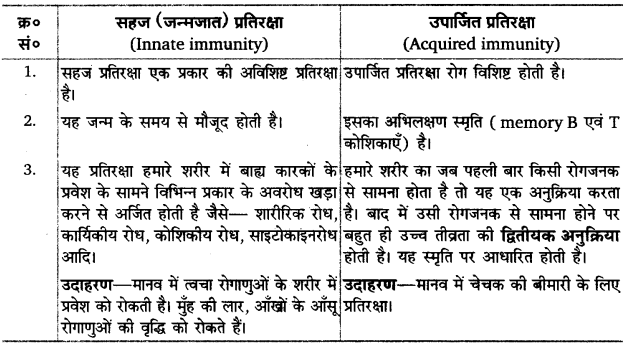
UP Board Solutions for Class 12 Computer Chapter 17 डाटाबेस कन्सेप्ट img-1

लघु उत्तरीय प्रश्न ।।

प्रश्न 1.
डाटाबेस से आप क्या समझते हैं? (2010)
अथवा
डाटाबेस की अवधारणा तथा सिद्धान्तों का वर्णन कीजिए !(2008)
अथवा
डाटाबेस क्या है? उनके गुणों व अवगुणों का वर्णन कीजिए| (2012)
अथवा
DBMS की प्रमुख विशेषताओं का वर्णन कीजिए। (2014)
उत्तर
किसी कार्य विशेष से सम्बन्धित सूचनाओं/डाटा का व्यवस्थित रूप से एकत्रीकरण ही डाटाबेस कहलाता है। डाटाबेस डाटा फाइल्स का एक ऐसा समूह है, जो एकीकृत फाइल सिस्टम (Integrated file system) की भाँति होता है तथा डाटा के डुप्लीकेशन (Duplication) को कम करता है, साथ ही कोई भी वांछित सूचना सरलता से एक्सेस करता है।
इस एकीकृत फाइल सिस्टम में अनेक फाइल्स एक दूसरे से सम्बद्ध होते हुए भी पूर्णता का आभास प्रदान करती हैं। टेलीफोन डायरेक्ट्री, इसका एक अच्छा उदाहरण हैं।
उदाहरण यदि आपने किसी इण्डेक्स्ड एड्रेस बुक (Indexed address book) में अपने जानने वाले व्यक्तियों के नाम, टेलीफोन नम्बर एवं एड्रेस को लिख रखा है, तो इसे एक डाटाबेस कहा जा सकता हैं।

DBMS की मुख्य विशेषताएँ निम्नलिखित हैं

  1. डाटाबेस का निर्माण करना।
  2. नए डाटा को सम्मिलित करना या जोड़ना।
  3. वर्तमान डाटा को सम्पादित करना।
  4. डाटा को अस्थायी एवं स्थायी रूप से डिलीट करना।

प्रश्न 2.
नॉर्मलाइजेशन से आप क्या समझते हैं? 2NF क्या है और उसके लाभ व हानियाँ क्या है? (2010, 08)
अथवा
विभिन्न प्रकार के नॉर्मलाइजेशन के लाभ क्या है? (2012)
अथवा
नॉर्मलाइजेशन क्या है? इससे प्राप्त लाभ को लिखें।
अथवा
नॉर्मलाइजेशन का वर्णन कीजिए। द्वितीय नॉर्मल फॉर्म को समझाइट। (2015, 10)
उत्तर
रिलेशनल मॉडल के अन्तर्गत नॉर्मलाइजेशन का मुख्य कार्य डाटाबेस में होने वाली पुनरावृत्ति (Redundancy) को कम करना है। दूसरे शब्दों में, हम कह सकते हैं कि डाटा को केवल एक ही बार संग्रहीत करना चाहिए, क्योंकि डाटा को अनेक बार तथा अनेक जगह पर संग्रहीत करने में समय व स्टोरेज दोनों का ही व्यय होता है। डाटा को नॉर्मलाइज करने के लिए टेबल को अन्य टेबल में विभक्त किया जाता है।

(ii) द्वितीय नॉर्मल फॉर्म कोई भी सारणी द्वितीय नॉर्मल फॉर्म (2NF) में तब कहलाई जाती है, जब वह सारणी प्रथम नॉर्मल फॉर्म में हो तथा प्रत्येक एट्रिब्यूट जोकि Non-key है, प्राइमरी की पर फंक्शनली डिपेण्डेण्ट हो।
Table : Employee

Emp_No Name Designation
25 Rakesh Computer Operator
26 Manish Manager
27 Rakesh Computer Program

इस टेबल में प्राइमरी की Emp_No है, यहाँ पर एट्रिब्यूट प्राइमरी की पर फंक्शनली डिपेण्डेण्ट नहीं है, इसलिए इसे निम्न प्रकार से विभक्त करेंगे

Emp_No Name
25 Rakesh
26 Manish
27 Rakesh
Emp_No Designation
25 Computer Operator
26 Manager
27 Computer Program

अब इस प्रकार से बनी टेबल में कोई Designation हटाया जाता है, तो डाटा नष्ट नहीं होगा।
नॉर्मलाइजेशन से निम्न प्रकार के लाभ होते हैं।

  1. यह डाटा की होने वाली पुनरावृत्ति को कम करता है तथा यह आकार में छोटा होता है, इसलिए इसे स्टोर करने के लिए कम मैमोरी की आवश्यकता होती है।
  2. डाटा की पुनरावृत्ति नहीं होती, डाटा की एक से अधिक विभिन्न प्रतियों को स्टोर करने की सम्भावना कम होती है।

नॉर्मलाइजेशन के प्रयोग से निम्न हानियाँ हैं

  1. डाटा को नॉर्मलाइज्ड करने के लिए अधिक मैमोरी की आवश्यकता होती है।
  2. डाटाबेस में अधिक टेबल होती है, जिन्हें जोड़ना कठिन होता है।

प्रश्न 3.
नॉर्मलाइजेशन के विभिन्न प्रकारों का उदाहरण सहित वर्णन कीजिए। (2010)
उत्तर
यहाँ अनेक प्रकार के नॉर्मल फॉर्म परिभाषित हैं।
(i) प्रथम नॉर्मल फॉर्म डाटा को नॉर्मलाइज करने की प्रक्रिया 1NF से ही आरम्भ होती है। कोई भी टेबल प्रथम नॉर्मल फॉर्म में होती है, यदि कोई भी दो रॉ (Row) एक समान नहीं हो तथा प्रत्येक कोष्ठक में केवल एक ही मान रखा हो।
Table : Course

Course_id Course_Name College
101 BCA Deewan
102 BBA GBIT
103 MCA IIMT

उपरोक्त सारणी में प्रस्तुत टेबल 1NF में है, जहाँ प्रत्येक कोष्ठक में एक मान है।

(ii) द्वितीय नॉर्मल फॉर्म इसके लिए लघु उत्तरीय प्रश्न II का प्रश्न 2 देखें।
(iii) तृतीय नॉर्मल फॉर्म कोई भी टेबल तृतीय नॉर्मल फॉर्म (3NF) में तब माना जाता है, जब वह द्वितीय नॉर्मल फॉर्म (2NF) में हो तथा प्रत्येक एट्रिब्यूट Non-key हो, जो केवल प्राइमरी की पर फंक्शनली डिपेण्डेन्ट
हो और किसी पर नहीं। उपरोक्त टेबल Designate को निम्न प्रकार से विभक्त करेंगे।

Desig_No Designation
1 Computer Operator
2 Manager
3 Computer program
Desig_No Emp_No
1 25
2 26
3 27

Normality formula is defined as the number of grams that is equal to the solute mixed in per liter of the solution.

प्रश्न 4.
बॉयस-कोड नॉर्मल फॉर्म (BCNF Boyce-Codd Normal Form) से आपका क्या तात्पर्य है? उदाहरण सहित वर्णन करें। (2008)
उत्तर
BCNF, 3NF का एडवान्स वर्ज़न है। एक टेबल BCNF’ में तब मानी जाती है जब वह 3NF में हो तथा प्रत्येक फंक्शनल डिपेण्डेन्सी में प्रथम टेबल की सुपर की हो।
सारणी को BCNF में होने के लिए निम्न आवश्यकताएँ हैं।
(i) दी गई सारणी में अनेक कैण्डिडेट की हो।
(ii) जहाँ अनेक कैण्डिडेट की कम्पोजिट की (Key) की तरह कार्य करती है।
(iii) जहाँ कैण्डिडेट की एक-दूसरे को ओवरलैप (Overlap) करती है।
(iv) जहाँ एक एट्रिब्यूट समान होता है।
(v) रिलेशन तब BCNF में कहलाया जाता है, जब प्रत्येक डिटरमिनेण्ट एक कैण्डिडेट हो।

सारणी को BCNF में बदलने के लिए
Table : Project

E_Code Proj_Code Dept Depthead Hours
E101 P27 System E901 90
E305 P27 Finance E909 10
E508 P51 Admin E908 NULL
E101 P51 System E901 101
E101 P20 System E901 60
E508 P27 Admin E908 72

सारणी से Overlapping एट्रिब्यूट को ढूंढिए और Remove कीजिए और कैण्डिडेट की के part को तथा एट्रिब्यूट को जिस पर फंक्शनली डिपेण्डेण्ट हो, दूसरी सारणी में रख दीजिए और बचे हुए एट्रिब्यूट को ग्रुप कर दीजिए। यहाँ पर Dept, E_Code पर डिपेण्डेण्ट है, इसलिए इसे एक सारणी में रखिए।

E_code Dept
E101 System
E305 Finance
E508 Admin
E101 System
E101 System
E508 Admin

Depthead भी E_Code तथा Dept पर डिपेण्डेण्ट है, लेकिन E_Code कॉमन एट्रिब्यूट है, इसलिए इसे हटा दीजिए।

Depthead Dept
E901 System
E909 Finance
E908 Admin
E901 System
E901 System
E908 Admin

प्रश्न 5.
SQL पर संक्षिप्त टिप्पणी लिखो। (2016, 14, 10, 07, 06)
अथवा
SQL क्या है? इस पर की जाने वाली डाटा सम्बन्धित मुख्य क्रियाओं को समझाइए।
अथवा
SQL क्या है? किसी उच्चस्तरीय भाषा से यह कैसे भिन्न है? (2008)
अथवा
विस्तार में sQL की व्याख्या करें। (2018)
उत्तर
एस-क्यू-एल (SQL) का पूरा नाम स्ट्रक्चर्ड क्वेरी लैंग्वेज (Structured Query Language) है। यह एक हाई लेवल लैंग्वेज है, जिसका प्रयोग डाटाबेस एवं इससे सम्बन्धित ऑब्जेक्टस; जैसे-टेबल्स (Tables), क्वेरीज (Queries), व्यूज (Views) इत्यादि को क्रिएट (Create) करने, टेबल के स्ट्रक्चर (Structure) को परिवर्तित करने, टेबल में डाटा को इन्सर्ट (Insert), अपडेट (Update) एवं डिलीट (Delete) करने में किया जाता है।
डाटाबेस पर की जाने वाली डाटा सम्बन्धी मुख्य क्रियाएँ निम्न प्रकार हैं।

  1. इन्सर्ट इसका अर्थ होता है-किसी टेबल में डाटा को जोड़ना।
  2. डिलीट इसका अर्थ होता है-किसी टेबल से अवांछित रॉज अथवा रिकॉर्ड्स को मिटाना।
  3. अपडेट इसका अर्थ है-किसी टेबल या व्यू में स्टोर डाटा को अपडेट अर्थात् मॉडिफाइ करना।

SQL एक उच्चस्तरीय भाषा ही है, लेकिन इसमें कुछ अन्तर भी है; जैसे –

  1. इसमें डाटा की पुनरावृत्ति को कम किया जाता है।
  2. इसमें विभिन्न प्रकार की कमाण्ड प्रयोग की जाती है; जैसे- डिलीट, इन्सर्ट, अपडेट आदि।
  3. प्रयोगकर्ता की आवश्यकतानुसार पहले से उपलब्ध डाटाबेस में से डाटा को रिट्रीव (Retrieve) कर सकते हैं।

दीर्घ उत्तरीय प्रश्न

प्रश्न 1.
डाटा क्या है? डाटाबेस क्या है? हमें डाटाबेस की आवश्यकता क्यों होती है? रिलेशनल डाटाबेस की विशेषताएँ समझाइए। (2006)
उत्तर
किसी वस्तु, व्यक्ति या समूह के बारे में किसी तथ्य अथवा जानकारी को डाटा कहा जाता है। किसी व्यक्ति का नाम, किसी वस्तु का वजन तथा मूल्य, किसी कक्षा के विद्यार्थियों की उम्र आदि ये सभी डाटा के उदाहरण हैं। डाटाबेस, सूचनाओं (या डाटा) का एक ऐसा व्यवस्थित संग्रह (Organised collection) होता है, जिससे हम किसी भी सूचना को सरलता से प्राप्त कर सकते हैं। डाटाबेस व्यवस्थित इसलिए होता है, क्योंकि इसमें किसी भी डाटा या सूचना को एक निश्चित स्थान पर पहले से तय किए हुए रूप में रखा जाता है, ताकि कभी भी आवश्यकता पड़ने पर उसे आसानी से ढूँढ़कर देखा जा सके।

डाटाबेस की आवश्यकता
हाथ से बनाए गए डाटाबेस (हस्तचालित डाटाबेस) में बहुत-सी समस्याएँ होती है; जैसे –

  1. नया डाटा जोड़ने की समस्या
  2. डाटा को बदलने की समस्या
  3. डाटा को अपनी शर्तों के अनुसार प्राप्त करने की समस्या आदि।

इन सभी समस्याओं को दूर करने के लिए कम्प्यूटरीकृत डाटाबेस का निर्माण किया गया। इसमें सभी सूचनाएँ कम्प्यूटर पर रखी जाती हैं और कम्प्यूटर की सहायता से ही उनका रख-रखाव तथा प्रोसेसिंग की जाती है।
कम्प्यूटर पर डाटाबेस बनाने के कई कारण हैं, जो निम्नलिखित हैं

  1. कम्प्यूटर पर बड़े आकार का डाटाबेस सरलता से बनाया जा सकता है, क्योंकि उसमें डाटा को संग्रहीत करने की क्षमता अधिक होती है।
  2. कम्प्यूटर की कार्य करने की गति तेज होने के कारण कितने भी बड़े डाटाबेस में से कोई भी इच्छित सूचना निकालना और डाटाबेस पर विभिन्न क्रियाएँ करना आदि कार्य बहुत कम समय में ही सम्पन्न हो । जाते हैं। इतना ही नहीं, तेज गति के कारण उस पर कोई लम्बी-चौड़ी रिपोर्ट निकालना और छापना मिनटों का कार्य होता है।
  3. इसमें हस्तचालित डाटाबेस की तुलना में बहुत कम खर्च आता है।
    रिलेशनल डाटाबेस की विशेषताएँ निम्नलिखित हैं।

रिलेशनल डाटाबेस की विशेषताएँ
रिलेशनल डाटाबेस को विशेषताएँ निम्न हैं

  1. डाटाबेस की प्रत्येक फाइल में एक ही तरह के रिकॉर्ड होते हैं।
  2. डाटाबेस की फाइल में प्रत्येक रिकॉर्ड के फील्डों की संख्या समान होती है।
  3. टेबल के प्रत्येक रिकॉर्ड का एक विशेष आइडेण्टीफायर होता है।

प्रश्न 2.
रिलेशनल डाटाबेस मॉडल को विस्तार से समझाएँ। (2018)
उत्तर
रिलेशनल डाटा मॉडल में, डाटा सारणियों के रूप में संग्रहीत किया जाता है। इन डाटा सारणियों में स्तम्भ, सारणी में स्टोर होने वाले डेटा के प्रकार को तथा पंक्तियाँ डेटा को दर्शाती हैं। यह मॉडल डाटाबेस संरचना को सरल बना देता है। इसमें सारणियों (Tables) का उपयोग किया जाता है अर्थात् डाटा को द्विविमीय टेबल्स के रूप में स्टोर किया जाता है। टेबल्स को एक-दूसरे से सम्बद्ध किया जाता है। इसमें पॉइण्टर नहीं होता। टेबल्स में कोई भौतिक सम्बन्ध भी नहीं होता।
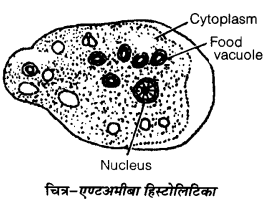
UP Board Solutions for Class 12 Computer Chapter 17 डाटाबेस कन्सेप्ट img-2
रिलेशनल डाटा मॉडल के लाभ निम्न हैं

  1. टेबल के रूप में संरचना साधारण होती है, जिसे समझना आसान है।
  2. टेबल्स में डाटा पर सभी प्रकार की क्रियाएँ करना सरल है।
  3. टेबल्स में गणितीय क्रियाएँ करना भी सम्भव होता है।
  4. रिलेशनल डेटाबेस मैनेजमेण्ट सिस्टम में एक क्वेरी लैंग्वेज उपलब्ध होती है।
  5. यह डाटा संगठन बहुत फ्लेक्सिबल है।

प्रश्न 3.
रिलेशनल डाटाबेस मैनेजमेण्ट सिस्टम क्या है? इसके क्या लाभ हैं? समझाइए (2007)
अथवा
RDBMS पर निबन्ध लिखिए। (2014, 13)
उत्तर
रिलेशनल डाटाबेस में, डाटा को द्वि-आयामी सारणियों के रूप में संग्रहीत किया जाता है। इन सारणियों को रिलेशन (Relation) भी कहा जाता है। रिलेशन डाटाबेस के रख-रखाव के लिए रिलेशनल डाटाबेस मैनेजमेण्ट सिस्टम (Relational Database Management System-RDBMS) की आवश्यकता होती हैं।

RDBMS, DBMS का ही एक प्रकार है। रिलेशनल डाटाबेस की मुख्य विशेषता यह है कि एकल डाटाबेस में एक से अधिक सारणियों को संग्रहीत किया जा सकता है और ये सारणियाँ आपस में सम्बन्धित होती है। रिलेशनल डाटाबेस एक ऐसा डाटाबेस है, जोकि रिलेशनल मॉडल पर आधारित है। इस मॉडल के अनुसार, डाटा को विभिन्न टेबल्स में संग्रहीत किया जा सकता हैं।
इस प्रकार के मॉडल के मुख्य गुण निम्नलिखित हैं।
(i) प्रत्येक टेबल के सभी रिकॉर्ड्स का स्ट्रक्चर एक जैसा ही होगा।
(ii) प्रत्येक टेबल के सभी रिकॉर्ड्स के एट्रिब्यूट की संख्या एक जैसी ही होगी।
(iii) टेबल के प्रत्येक रिकॉर्ड का कोई-न-कोई आइडेण्टीफायर होता है। यदि Students का डाटा संग्रहीत करना हो

Roll_No Name Address
1 Rajesh Delhi
2 Ravi Mumbai
3 Manish Kolkata
4 Sagar Meerut
5 Nitin Modipuram

रिलेशनल डाटाबेस की कुछ सम्बन्धित पदावली निम्नलिखित हैं।

  1. रिलेशन (Relation) इसके अन्तर्गत एक टेबल (Table) तैयार की जाती है, जो एक सिक्वेन्शियल फाइल को निरूपित करती है, जिसमें टेबल की पंक्तियाँ (Rows) फाइल के रिकॉर्ड को इण्डीकेट करती हैं, एवं स्तम्भ (Column) रिकॉर्ड के फील्ड को दर्शाता है। ये टेबल्स रिलेशन ही होते हैं। रिलेशन को उच्चस्तरीय फाइल्स के रूप में समझा जाता हैं।
    • प्रत्येक रिलेशन में एक ही तरह के रिकॉर्ड होते हैं।
    • किसी दिए गए रिलेशन में प्रत्येक रिकॉर्ड के फील्डों की संख्या समान होती है।
    • प्रत्येक रिकॉर्ड का एक अलग पहचानने वाला आइडेण्टीफायर (Identifier) होता है।
    • रिलेशन के अन्दर रिकॉर्ड किसी विशेष क्रम में व्यवस्थित होते हैं।
  2. टपल (Tuplo) रिलेशन में प्रत्येक रिकॉर्ड को टपल कहा जाता है।
  3. एट्रिब्यूट (Attribute) रिलेशन के सन्दर्भ में प्रत्येक कॉलम् (फील्ड) को एट्रिब्यूट कहते हैं।
  4. डोमेन (Domain) रिलेशन के सन्दर्भ में डोमेन मानों का एक समूह होता है, जिससे किसी कॉलम में दिए गए वास्तविक मानों को व्युत्पन्न किया जा सकता है।

प्रश्न 4.
नॉर्मलाइजेशन का मुख्य कार्य क्या है? प्रथम तथा द्वितीय नॉर्मल फॉर्म को उदाहरण सहित समझाइए। (2006)
उत्तर
यहाँ अनेक प्रकार के नॉर्मल फॉर्म परिभाषित हैं।
(i) प्रथम नॉर्मल फॉर्म डाटा को नॉर्मलाइज करने की प्रक्रिया 1NF से ही आरम्भ होती है। कोई भी टेबल प्रथम नॉर्मल फॉर्म में होती है, यदि कोई भी दो रॉ (Row) एक समान नहीं हो तथा प्रत्येक कोष्ठक में केवल एक ही मान रखा हो।
Table : Course

Course_id Course_Name College
101 BCA Deewan
102 BBA GBIT
103 MCA IIMT

उपरोक्त सारणी में प्रस्तुत टेबल 1NF में है, जहाँ प्रत्येक कोष्ठक में एक मान है।

(ii) द्वितीय नॉर्मल फॉर्म इसके लिए लघु उत्तरीय प्रश्न II का प्रश्न 2 देखें।
(iii) तृतीय नॉर्मल फॉर्म कोई भी टेबल तृतीय नॉर्मल फॉर्म (3NF) में तब माना जाता है, जब वह द्वितीय नॉर्मल फॉर्म (2NF) में हो तथा प्रत्येक एट्रिब्यूट Non-key हो, जो केवल प्राइमरी की पर फंक्शनली डिपेण्डेन्ट
हो और किसी पर नहीं। उपरोक्त टेबल Designate को निम्न प्रकार से विभक्त करेंगे।

Desig_No Designation
1 Computer Operator
2 Manager
3 Computer program
Desig_No Emp_No
1 25
2 26
3 27

We hope the UP Board Solutions for Class 12 Computer Chapter 17 डाटाबेस कन्सेप्ट will help you. If you have any query regarding UP Board Solutions for Class 12 Computer Chapter 17 डाटाबेस कन्सेप्ट, drop a comment below and we will get back to you at the earliest.
The Lost Child Class 12 English Chapter 3 Question Answer UP Board Solutions

UP UP Board Solutions for Class 12 English Poetry Short Stories Chapter 3 The Lost Child are part of UP Board Solutions for Class 12 English. Here we have given UP Board Solutions for Class 12 English Poetry Short Stories Chapter 3 The Lost Child.

MCQ Questions for Class 9 English Moments Chapter 1 The Lost Child MCQ with Answers … Question 1.

Board UP Board
Textbook NCERT
Class Class 12
Subject English Poetry Short Stories
Chapter Chapter 3
Chapter Name The Lost Child
Category UP Board Solutions

UP Board Class 12th English Short Stories Chapter 3 The Lost Child Questions and Answers

English Class 12 UP Board Chapter 3 Question Answer

कक्षा 12 अंग्रेजी पाठ 3 के प्रश्न उत्तर

STORY at a Glance

On a spring festival a little boy went to see the fair with his parents. There he requested them to buy a toy. But his father very politely refused him. Then he saw a sweet meat seller, a flower seller, a man selling balloons of different colours, a juggler playing on a flute to a snake and so on. The child wanted to have these things. But he knew well that his parents would not buy him anything. Then he came to a roundabout which was in full swing. Men, women and children were enjoying it and looked very happy. Now he was overpowered by his desire and boldly requested them, “I want to go on the roundabout, please, father, mother.” But there was no reply. He turned to look at his parents but they were not there. He had lost his parents. He shouted loudly. He ran to and fro. He saw a thick crowd of people outside a temple. He ran through their legs, searched his parents but found no sign of them.

A man in the crowd heard his groan and lifted him in his arms. The man asked him many questions about his parents. But he went on weeping and cried only, “I want my mother, I want my father.” The man took him to the juggler, balloon seller, flower seller, sweet seller, etc. But he did not see towards them at all. He wanted only his parents. Now everything was useless for him.

कहानी पर एक दृष्टि

वसन्त ऋतु के त्योहार पर एक छोटा लड़का अपने माता-पिता के साथ मेला देखने गया। वहाँ उसने उनसे एक खिलौना खरीदने के लिए प्रार्थना की। किन्तु उसके पिता ने बड़ी विनम्रता से उसे मना कर दिया। फिर उसने एक मिठाई वाले को, फूल बेचने वाले को, भिन्न-भिन्न रंग के गुब्बारे बेचने वाले को, फिर एक साँप के सामने बाँसुरी बजाते हुए मदारी आदि को देखा। बच्चा इन सभी वस्तुओं को लेना चाहता था। किन्तु वह भली प्रकार जानता था कि उसके माता-पिता उसके लिए कोई वस्तु नहीं खरीदेंगे। फिर वह एक झूले के निकट आया जो पूरे जोर पर था। पुरुष, स्त्रियाँ और बच्चे इसका आनन्द ले रहे थे और प्रसन्न दिखायी पड़ते थे। अतः अब वह अपनी इच्छा के वशीभूत हो गया और बहादुरी से उनसे प्रार्थना की,मैं झूले पर बैठना चाहता हूँ, कृपया मम्मी-पापा। किन्तु उसे कोई उत्तर नहीं मिला। वह अपने माता-पिता  को देखने के लिए मुड़ा, किन्तु वे वहाँ नहीं थे। उसके माता-पिता खो गए थे। वह जोर-जोर से चीखा। वह इधर-उधर दौड़ा। उसने एक मन्दिर के बाहर लोगों की बहुत भारी भीड़ देखी। वह उनकी टाँगों के बीच में से निकलकर दौड़ा। अपने माता-पिता की तलाश की किन्तु उनका कोई नामोनिशान भी नहीं था।

भीड़ में से एक आदमी ने उसकी रोने की आवाज सुनी और उसे अपनी गोद में उठा लिया। उस व्यक्ति ने उससे उसके माता-पिता के विषय में अनेक प्रश्न पूछे। किन्तु वह फूट-फूटकर रोता रहा और चीखता रहा, मुझे मेरी माँ चाहिए, मुझे मेरे पिता चाहिए। वह आदमी उसे झूले पर ले गया। मदारी के पास ले गया। गुब्बारा बेचने वाले के पास, फूल बेचने वाले के पास और मिठाई बेचने वाले के पास ले गया। किन्तु हर बार उसने उनकी ओर देखा भी नहीं। उसे केवल अपने माता-पिता चाहिए थे। अब उसके लिए प्रत्येक वस्तु बेकार थी।

Understanding the Text

Short Answer Type Questions

Answer two of the following questions in not more than 30 words each :
Question 1.
How were the people going to the fair ?
(लोग मेले में किस प्रकार जा रहे थे ?)
Answer.
The people were going to the fair either on foot, or on horses or in bullockcarts.
(लोग मेले में पैदल, घोड़ों पर या बैलगाड़ियों में जा रहे थे।)

Question 2.
Why did the parents call the child ?
(माता-पिता ने बच्चे को क्यों पुकारा ?)
Answer.
The parents called the child because he had lagged behind on a toy shop.
(माता-पिता ने बच्चे को पुकारा क्योंकि वह एक खिलौनों की दुकान पर पीछे रह गया था।)

Question 3.
Why did the child want to suppress his desire ?
(बच्चा अपनी इच्छाओं को दबानो क्यों चाहता था ?)
Answer.
The child wanted to suppress his desire because he knew well that his parents would refuse him coldly
(बच्चा अपनी इच्छा को दबाना चाहता था क्योंकि वह भली प्रकार जानता था कि उसके माता-पिता शान्ति से उसे मना कर देंगे।)

Question 4.
Where did they reach after leaving the dusty road ?
(धूलभरी सड़क को छोड़कर वे कहाँ पहुँचे ?)
Answer.
After leaving the dusty road, they entered a footpath in a field.
(धूलभरी सड़क को छोड़कर वे एक खेत में एक पगडण्डी पर पहुँचे।)

Question 5.
Why was the boy attracted towards fields ?
(लड़की खेतों की ओर आकर्षित क्यों हुआ ?)
Answer.
The boy was attracted towards the fields because they were in full bloom with pale mustard flowers. Beautiful butterflies and other insects were hovering there.
(लड़की खेतों की ओर आकर्षित हुआ क्योंकि वे पूरी तरह सरसों के पीले खिले हुए फूलों से भरपूर थे। सुन्दर तितलियाँ और अन्य कीड़े वहाँ मँडरा रहे थे।)

Question 6.
What did the boy do ?
(लड़के ने क्या किया ?)
Answer.
The boy entered the meadow, played with the butterflies and other insects and with a great difficulty he could catch a butterfly.
(लड़का खेत में चला गया, तितलियों से खेला और दूसरे कीड़ों से भी और बहुत मुश्किल से एक तितली को पकड़ सका।)

Question 7.
Why did the parents sit on the well ?
(माता-पिता कुएँ पर क्यों बैठ गये ?)
Answer.
The parents sat down on the well to take rest. Moreover the boy was left behind playing with the insects on the footpath. So they waited for him also.
(माता-पिता कुएँ पर आराम करने के लिए बैठ गए। इसके अतिरिक्त लड़का कीड़े-मकोड़ों से खेलता हुआ पीछे रह गया था। इसलिए उन्होंने उसकी भी प्रतीक्षा की।)

Question 8.
What happened when the child saw sweetmeat seller’s shop ?
(जब बच्चे ने मिठाई वाले की दुकान को देखा तब क्या हुआ ?)
Answer.
The child saw many sweets there as; gulab jamun, rasgulla, burfi, jalebi, etc. His mouth began to water when he saw his favourite sweet burfi.
(बच्चे ने बहुत-सी मिठाइयाँ देखीं; जैसे-गुलाब जामुन, रसगुल्ला, बर्फी, जलेबी आदि। उसके मुँह में पानी आ गया जब उसने अपनी प्रिय मिठाई बर्फी को देखा।)

Question 9.
Did the child request his parents to buy sweets ? Give reasons in support of your answer.
(क्या बच्चे ने अपने माता-पिता से मिठाई खरीदने की प्रार्थना की ? अपने उत्तर की पुष्टि में कारण दो।)
Answer.
The child did not request his parents to buy sweets because he knew that they would not buy sweets and would say him greedy.
(बच्चे ने अपने माता-पिता से मिठाई खरीदने की प्रार्थना नहीं की, क्योंकि वह जानता था कि वे मिठाइयाँ नहीं खरीदेंगे और उसे लालची कहेंगे।)

Question 10.
What was the first demand of the child while accompanying his parents to the fair ? [2016, 18]
(बच्चा जब अपने माता-पिता के साथ मेले में जा रहा था तब उसकी पहली माँग क्या थी ?)
Answer.
The first demand of the child was for burfi while he was accompanying his parents to the fair.
(जब बच्चा अपने माता-पिता के साथ मेले में जा रहा था तब उसकी पहली माँग बर्फी की थी।)

Question 11.
What did the child see the juggler doing? Why didn’t the child stay for long at the place where a juggler was playing his flute to the snake in the [2010]
(बच्चे ने मदारी को क्या करते देखा? जहाँ एक मदारी साँप को बीन सुना रहा था, बच्चा वहाँ अधिक 
देर क्यों नहीं रुका ?)
Answer.
The child saw the juggler playing on a flute to a dancing cobra. The child was attracted by it. But he did not stay there for a long because his parents had forbidden him to hear such coarse music as the juggler played.
(बच्चे ने मदारी को नाचते हुए साँप के ऊपर बीन बजाते देखा। बच्चा इससे आकर्षित तो हुआ परन्तु वहाँ अधिक देर नहीं रुका क्योंकि उसके माता-पिता ने उसे ऐसा रूखा संगीत सुनने को मना किया था।)।

Question 12.
What were the things which attracted the child most in the fair ? [2018]
(वे कौन-सी वस्तुएँ थीं जिन्होंने बच्चे को मेले में बहुत आकर्षित किया ?)
Answer.
Burfi, garland of gulmohar, balloons of different colours flying from a pole, a juggler playing on flute to a snake and a roundabout attracted the child most in the
(बर्फी, गुलमोहर का हार, भिन्न-भिन्न रंगों के गुब्बारे जो एक बाँस पर उड़ रहे थे, साँप के सामने बाँसुरी बजाते हुए मदारी ने तथा झूले ने मेले में बच्चे को बहुत आकर्षित किया।)

Question 13.
Where was the child lost and how ?
(बच्चा कैसे और कहाँ खो गया ?)
Answer.
The child was lost at a roundabout. There was a thick crowd of men, women and children who were enjoying the roundabout. The child could not suppress his desire. He also entered the crowd and went forward. But when he did not get his turn for long, he came out of the crowd to see his parents. But he could not find them there or anywhere else. Thus the lost his parents.
(बच्चा झूले पर खोया। वहाँ पुरुषों, स्त्रियों तथा बच्चों की भारी भीड़ थी जो झूले का आनन्द ले रहे थे। बच्चा अपनी इच्छा को नहीं दबा सका। उसने भी भीड़ में प्रवेश किया और आगे बढ़ गया। किन्तु जब काफी समय तक उसकी बारी नहीं आई तब वह भीड़ से बाहर अपने माता-पिता को देखने आया। किन्तु वह उन्हें वहाँ या अन्य कहीं नहीं पा सका। इस प्रकार उसके माता-पिता खो गये।)

Question 14.
Describe the condition plight of the child when he had lost his parents. [2015, 17, 18]
(जब बच्चे के माता-पिता खो गए तब उसके बाद की उसकी स्थिति का वर्णन कीजिए।)
Answer.
The condition of the child was very pitiable when he had lost his parents. He was running to and fro searching for his parents. He was shouting loudly, “My mother, my father.” Tears were flowing from his eyes. He was quite hopeless.
(जब बच्चे से उसके माता-पिता खो गए तब उसकी दशा बहुत दयनीय थी। वह अपने माता-पिता की तलाश करता हुआ इधर-उधर फिर रहा था। वह जोर-जोर से चीख रहा था, “मेरी मम्मी, मेरे पापा।” उसकी आँखों से आँसू बह रहे थे। वह बिल्कुल निराश था।)

Question 15.
Why did the child enter the over-crowded temple ? 
[2015]
(लड़के ने भीड़ से भरे मन्दिर में क्यों प्रवेश किया ?)
Answer.
The child entered the over-crowded temple in search of his parents.
(लड़के ने अपने माता-पिता को ढूंढ़ने के लिए भीड़ से भरे मन्दिर में प्रवेश किया।)

Question 16.
Who tried to soothe him and how ?
(उसे किसने चुप कराने की कोशिश की और कैसे ?)
Answer.
A man in the crowd heard his groan. He lifted him up in his arms. He tried to soothe him. He took him to the roundabout, to the juggler, to the balloon seller, to the sweet seller, to the garland seller and so on
(भीड़ में एक आदमी ने उसका रुदन सुना। उसने उसे अपनी गोद में उठा लिया। उसने उसे चुप कराने की चेष्टा की। वह उसे झूले पर, मदारी के पास, गुब्बारे बेचने वाले के पास, मिठाई वाले के पास और हार बेचने वाले आदि के पास ले गया।)

Question 17.
How did the child react to every kind of offer of the gentleman ?
(उस भद्र पुरुष की प्रत्येक प्रार्थना पर बच्चे ने किस प्रकार की प्रतिक्रिया प्रकटं की ?)
Answer.
The child behaved quite differently. He turned his face from everything which he had keenly desired with his parents. Now his parents were above all things for him. He did not even see towards anything and cried only, “I want my mother, I want my father.”
(बच्चे ने बिल्कुल भिन्न प्रकार का व्यवहार किया। उसने प्रत्येक वस्तु की ओर से अपना मुँह फेर लिया जिसकी उसने अपने माता-पिता के साथ तीव्र इच्छा व्यक्त की थी। अब उसके माता-पिता सभी वस्तुओं से उसके लिए सर्वोपरि थे। उसने किसी वस्तु की ओर देखा भी नहीं और केवल यही चिल्लाया, “मुझे मेरी मम्मी चाहिए, मुझे मेरे पापा चाहिए।”)

Question 18.
Do you think that the behaviour of the lost child has been realistically painted by Mulk Raj Anand ?
(क्या आप सोचते हो कि खोये हुए बच्चे का चरित्र चित्रण मुल्क राज आनन्द ने वास्तविक ढंग से 
किया है ?)
Answer.
Yes, the behaviour of the lost child has been realistically.painted by Mulk Raj Anand. Every reader of the story would find as if all the incidents are happening before his eyes. All the related incidents and scenes are so artistically intertwined that the interest of the reader is not disturbed anywhere.
(हाँ, खोये हुए बच्चे के व्यवहार को मुल्क राज आनन्द ने बहुत ही वास्तविक ढंग से चित्रित किया है। कहानी के प्रत्येक पाठक को ऐसा लगेगा मानो सारी घटनाएँ उसकी आँखों के सामने हो रही हैं। सभी सम्बन्धित घटनाएँ और दृश्य इतनी कलाकारी से आपस में सँजोए गए हैं कि पढ़ने वाले की रुचि कहीं भी गड़बड़ नहीं होती।)

Question  19.
What did the child finally want in the story “The Lost Child’ ? Give examples in support of your answer.[2012]
(“The Lost Child’ नामक कहानी में अन्त में बच्चे ने किस वस्तु को चाहा? उदाहरण देकर अपने उत्तर की पुष्टि कीजिए।)
Answer.
Finally the child wanted only his parents. An old man took him to the things which he had keenly desired with his parents. But he did not even see at them and cried only ‘I want my mother, I want my father.
अन्त में बच्चा केवल अपने माता-पिता को चाहता था। एक बूढ़ा आदमी उसे उन सभी वस्तुओं के पास ले गया जिन्हें वह अपने माता-पिता के साथ लेना चाहता था। किन्तु उसने उनकी और देखा भी नहीं। वह केवल यह चिल्लाया, “मुझे अपनी माँ चाहिए, मुझे अपने पिता चाहिए।

We hope the UP Board Solutions for Class 12 English Poetry Short Poems UP Board Solutions for Class 12 English Poetry Short Stories Chapter 3 The Lost Child help you. If you have any query regarding UP Board Solutions for Class 12 English Poetry Short Stories Chapter 3 The Lost Child, drop a comment below and we will get back to you at the earliest.

La Belle Dame Sans Merci Class 12 English Chapter 6 Question Answer UP Board Solutions

UP Board Solutions for Class 12 English Poetry Short Poems Chapter 6 La Belle Dame Sans Merci are part of UP Board Solutions for Class 12 English. Here we have given UP Board Solutions for Class 12 English Poetry Short Poems Chapter 6 La Belle Dame Sans Merci.

Board UP Board
Textbook NCERT
Class Class 12
Subject English Poetry short Poems
Chapter Chapter 6
Chapter Name La Belle Dame Sans Merci
Category UP Board Solutions

UP Board Class 12th English Short Poems Chapter 6 La Belle Dame Sans Merci Questions and Answers

English Class 12 UP Board Chapter 6 Question Answer

कक्षा 12 अंग्रेजी पाठ 6 के प्रश्न उत्तर

About the Poet : John Keats was born in London in 1795. He was the son of a prosperous stable keeper. Once he fell in love with a French girl Fanne Brawne, but got sorrow and dejection. He lived in a world of magic romance. He was very sensuous and true worshipper of beauty. He died at the young age of 26.

About the Poem : The poem ‘La Belle Dame Sans Merci’ is a ballad. It is divided into two parts: the questions in the first three stanzas and answers in the following lines. This poem is a fine example of Keats’s romantic imagination. The title of the poem means a beautiful lady without mercy and a knight in arms fell in love with her but was dejected. The knight is Keats himself and beautiful lady is Fanne Brawne.

Central Idea                                                                                                                  [2010, 13, 16, 17, 18]
In this poem John Keats says that a knight falls in love with a girl as beautiful as fairy. The knight offers her a garland and a bracelet of beautiful flowers. The lady takes him to her cave and offers him tasty food and honey. They express their love to each other. The knight falls asleep. He dreams many knights who have been victims of this treacherous lady. They warn him. Then he wakes up and finds himself all alone by the hill side. Thus we note here the frustrated and unsatisfied love of the poet.

(इस कविता में जॉन कीट्स कहता है कि एक योद्धा एक लड़की से प्यार करने लगता है जो एक परी के समान सुन्दर है। वह योद्धा उसे फूलों का सुन्दर हार एवं पौंची भेट करता है। वह स्त्री उसे अपनी गुफा में ले जाती है और उसे स्वादिष्ट भोजन एवं शहद भेंट करती है। वे एक-दूसरे के प्रति अथाह प्रेम प्रकट करते हैं। योद्धा सो जाता है। वह सपने में बहुत-से योद्धाओं को देखता है जो इस धोखेबाज स्त्री के शिकार हो चुके हैं। वे उसे सावधान करते हैं। फिर वह जाग जाता है और स्वयं को एक पहाड़ी पर पाता है। इस प्रकार हम इस कविता में कवि का अधूरा एवं निराश प्रेम पाते हैं।)

EXPLANATIONS (With Meanings & Hindi Translation) KKM.
(1)
0, what can ail thee, knight-at-arms,
Alone and palely loitering ?
The sedge has wither’d from the lake,
And no birds sing. [2013]

[ Word-meanings : ail = कष्ट देना give sorrow; thee = तुमको you; knight-at-arms = कवच पहने हुए बहादुर योद्धा जो जोखिम की खोज में फिर रहा है brave warrior dressed in his armour; palely = पीला दिखता हुआ looking pale; loitering = भटकता हुआ wandering aimlessly; sedge = घास जैसा पौधा grass like plant; withered = सूखी हुई dried.]

(कवि एक सशस्त्र योद्धा से पूछता है कि तुम्हें क्या कष्ट है जो तुम अकेले और उदास इधर-उधर मारे-मारे फिर रहे हो ? ठण्ड के कारण झील के पास उगी हुई सेज घास भी सूख गई है और कोई भी पक्षी गीत नहीं गा रहा है अर्थात् ठण्ड के कारण पक्षी भी गर्म प्रदेशों में चले गए हैं।)

Reference : These lines have been taken from the poem La Belle Dame Sans Merci composed by John Keats.

[ N.B. : The above reference will be used for all the explanations of this poem. ]

Context : This poem is a beautiful ballad. It is autobiographical because the poet points out his disappointed love with French lady Fanne Brawne. In the first three stanzas there are questions and in the following lines there are answers. In fact the knight in the poem is Keats himself.

Explanation : In this opening stanza the poet asks the knight what is his trouble. He looks pale and grief-stricken. He is wandering in chilly cold. Although, due to cold, the sedge has dried up and the birds have gone to warmer places yet the knight is roaming alone.

(इस प्रथम पद्यांश में कवि योद्धा से पूछता है कि उसकी परेशानी क्या है ? वह पीला और दु:खी दिखायी देता है। वह तेज सर्दी में मारा-मारा फिर रहा है। यद्यपि ठण्ड के कारण घास सूख गई है और पक्षी भी गर्म स्थानों पर चले गए हैं फिर भी योद्धा अकेला घूम रहा है।)

(2)
O, what can ail thee, knight-at-arms,
So haggard and so woe-begone ?
The squirrel’s granary is full,
And the harvest’s done.

[Word-meanings : haggard = चिन्तित तथा परेशान looking tired and care wom; woe begone = अत्यन्त दु:खी extremely sad; granary= अनाज का भण्डार store-house of grains; harvest’s done = फसल कट चुकी है the crop has been reaped.]

(कवि योद्धा से पुनः पूछता है कि तुम्हें क्या कष्ट है जो तुम अत्यधिक दुःखी एवं चिन्तित दिखाई दे रहे हो ? ठण्ड आ चुकी है क्योंकि गिलहरी ने अपने कोठर में अनाज एकत्रित कर लिया है और किसानों ने अपनी फसल काटकर अनाज इकट्ठा कर लिया है, अतः तुम इस ठण्ड में क्यों मारे-मारे फिर रहे हो ?)

Context : The poet met a weak and sad knight loitering alone in the forest. In these lines the poet asks the knight why he looks so weak and sad.

Explanation : The poet tells the knight that the winter has set in. The squirrel has filled her granary for the coming cold season. The farmers have reaped their crops. The poet asks the knight, then, why he is looking so tired, unhappy and miserable.

(कवियोद्धा को बताता है कि सर्दियों का मौसम आरम्भ हो गया है। गिलहरी ने आने वाले सर्दी के मौसम के लिए अपने कोठर को भर लिया है। किसानों ने अपनी फसलें काट ली हैं। कवि योद्धा से पूछता है कि फिर वह इतना थका हुआ, अप्रसन्न और दु:खी क्यों दिखाई दे रहा है।)

(3)
I see a lily on thy brow,
With anguish moist and fever dew;
And on thy cheeks a fading rose
Fast withereth too. [2009, 16, 18]

[Word-meanings : brow = माथा forehead; anguish = मानसिक कष्ट mental suffering;
moist = पसीने के कारण नम somewhat wet with perspiration; a fading rose = मुरझाया हुआ गुलाब the absence of rosy colour of health; withereth = मुरझा रही है is fading.]

(कवि योद्धा से कहता है कि तुम्हारा माथा सफेद लिली के फूल के समान रक्तहीन अर्थात् सफेद दिखाई दे रहा है। तुम्हारे चेहरे से पता लगता है कि तुम्हें भारी कष्ट है, क्योंकि तुम्हारे चेहरे पर बुखार की दशा में आने वाले पसीने जैसी नमी है। तुम्हारे गालों की लालिमा भी इस प्रकार कम होती जा रही है जैसे मुरझायो हुआ गुलाब। अतः बताओ तुम्हारे दु:ख का क्या कारण है ?)

Context : This poem is a ballad. The knight is disappointed in his love with the French lady Fanne Brawne. He is wandering alone in the forest and his condition is very pitiable.

Explanation : In this stanza the poet asks the knight the reason of his tension. He has guessed from his face that he is in a great worry. His forehead looks white like a lily flower and his beautiful rosy cheeks have lost their grace like a faded rose. His face is moist with perspiration as if he were suffering from fever. So the poet asks him the cause of his distress.

(इस पद्यांश में कवि योद्धा की परेशानी का कारण पूछता है। उसने उसके चेहरे से अनुमान लगाया है कि वह बहुत परेशानी में है। उसका माथा लिली के फूल के समान सफेद दिखाई दे रहा है और उसके गुलाब जैसे गाल भी मुरझाए हुए गुलाब के समान अपनी सुन्दरता खो चुके हैं। उसका चेहरा पसीने से भीग गया है मानो उसे बुखार आ रहा हो। इसलिए कवि उससे उसकी परेशानी का कारण पूछता है।)

Comments : White lily here stands for the anxieties of the knight and his pale appearance.

(4)
I meta lady in the meads,
Full beautiful—a faery’s child;
Her hair was long, her foot was light,
And her eyes were wild. [2009, 12, 18]

[Word-meanings : meads = चरागाह, घास का मैदान meadows; full = अत्यधिक extremely; wild = प्रेम भावना से भरपूर passionate.]

(इस पद्यांश में योद्धा उत्तर देता है कि घास के मैदान में मुझे एक स्त्री मिली। वह परी के समान अत्यन्त सुन्दर थी। उसके बाल लम्बे थे। उसकी चाल मन को लुभाने वाली थी और उसकी आँखों से प्रेम की भावना टपकती थी। अत: वह उस स्त्री के सौन्दर्य से बहुत प्रभावित हुआ।)

Context : The poet asked the knight the reason of his tension. Here the knight replies and tells the poet about the beauty and graceful manners of the lady he met. Explanation : The knight met a lady in the meadows. She was so beautiful that she looked like a daughter of a fairy. She had long hair. She walked slowly in a graceful manner. Her eyes were extremely passionate.

(योद्धा चरागाह में एक युवती से मिला। वह इतनी सुन्दर थी कि वह किसी परी की पुत्री मालूम पड़ती थी। उसके बाल लम्बे थे। वह धीरे-धीरे बहुत शानदार ढंग से चलती थी। उसकी आँखें अत्यन्त प्रेम की भावना से सराबोर थीं।)

(5)
I made a garland for her head,
And bracelets too, and fragrant zone;
She look’d at me as she did love,
And made sweet moan. [2010]

[Word-meanings : bracelet = एक गहना जिसे बाजूबन्द कहते हैं ornaments for the wrist; fragrant = सुगन्धित sweet smelling; fragrant zone = सुगन्धित फूलों की पेटी या तगड़ी girdle of flowers; moan = आह भरना low sound of pain (यहाँ full of love).]

(इस पद्यांश में योद्धा उस महिला से अपने मिलन का वर्णन करता है। सर्वप्रथम उसने उस महिला के सिर के लिए एक फूलों को हार’बनाया। उसकी कलाई पर बाँधने के लिए बाजूबन्द बनाए। उसके लिए फूलों की एक सुगन्धित तगड़ी बनाई। जब उस योद्धा ने वह आभूषण उस महिला को भेंट किये तब उसने प्रेमभरी दृष्टि से उसकी ओर देखा मानो वह उससे प्रेम करती हो। फिर उसने प्रेम की आह भरी।)

Context : When asked by the poet to explain his miserable condition, the knight narrates his story to the poet. He met an extremely beautiful lady in the meadows who ultimately left him alone in the cold sea-shore.

Explanation : The knight says that he made a flower garland for the beautiful lady. He also made girdle of a flowers having pleasant and sweet smell for her waist and arms. The beautiful lady, too, looked at him with loving expressions and whispered sweetly in approval for him.

(योद्धा कहता है कि उसने सुन्दर स्त्री के लिए फूलों का हार बनाया। उसने उसकी कमर और बाजुओं के लिए अच्छे और सुगन्धित फूलों की पेटी बनाई। सुन्दर स्त्री ने भी उसकी ओर प्यार भरी दृष्टि से देखा और उसने धीमी आवाज में उसे स्वीकार करने की बात कही।)

(6)
I set her on my pacing steed,
And nothing else saw all day long;
For sidelong would she bend, and sing,
AFaery’s song.

[ Word-meanings : set = बिठाया seated; pacing = मन्द गति से चलता हुआ walking slowly and easily; steed = घोड़ा horse; side long = एक ओर को to one side.]

(तब योद्धा ने उस महिला को उठाकर अपने घोड़े पर बिठा लिया जो धीरे-धीरे आराम से चल रहा था। योद्धा कहता है कि वह दिनभर कुछ न देख सका क्योंकि वह युवती उसे लगातार देख रही थी और एक ओर को झुकी हुई थी तथा वह ऐसा मधुर गीत गा रही थी जो परियों के गीत जैसा था।)

Context : The knight met a lady in the meadow. She was as beautiful as a fairy. The knight made several garments for her. Now the knight describes how he along with her went about on horse back.

Explanation : The knight took up the lady and seated her on his horse back which was walking slowly. The whole day the knight went on seeing her beauty and attractive actions. The lady bent to one side and sang a song as sweet as a fairy’s song. Thus the knight enjoyed her company and did nothing.

(योद्धा ने उस स्त्री को उठा लिया और अपने घोड़े की पीठ पर बिठा लिया जो धीरे-धीरे चल रहा था। पूरे दिन वह योद्धा उसकी सुन्दरता तथा आकर्षक गतिविधियों को देखता रहा। वह स्त्री एक ओर को झुक जाती थी और इतना मधुर गीत गाती थी जितना परी का गीत। इस प्रकार योद्धा ने उस स्त्री की संगति का आनन्द लिया और कुछ नहीं किया।)।

(7)
She found me roots of relish sweet,
And honey wild, and manna dew,
And sure in language strange she said
‘I love thee true’. [2017]

[Word-meanings : found me = प्रबन्ध किया arranged for me; roots = जड़े अर्थात् पौधे plants; relish sweet = मधुर स्वाद वाले of sweet taste; honey wild = जंगली मक्खियों का शहद honey of wild bees; manna dew = अमृत की बूंदें drops of a kind of divine food.].

(इस पद्यांश में वह वीर व्यक्ति यह बताता है कि उस स्त्री ने कैसे उसका मनोरंजन किया। रास्ते में उसने उस वीर व्यक्ति के लिए स्वादिष्ट हरे पौधों या खाद्य पदार्थ का प्रबन्ध किया। जंगली मक्खियों के शहद तथा अमृत की बूंदों का प्रबन्ध किया। उसने प्रेम की विचित्र भाषा में कहा, “मैं आपसे वास्तव में प्यार करती हूँ।”)

Context : The knight is narrating to the poet that how the beautiful lady treated him and expressed her love for him. Explanation : The knight narrates that the beautiful lady arranged delicious and sweet roots of plants for him to eat. She also gave him honey and most sought godly drink. She very boldly expressed her love for him in an unknown language.

(योद्धा वर्णन करता है कि सुन्दर स्त्री ने उसके खाने के लिए पौधों की स्वादिष्ट और मीठी जड़ों (अर्थात् शकरकन्द आदि) का प्रबन्ध किया। उसने उसे शहद और देवताओं का अत्यन्त प्रिय पेय अर्थात् अमृत भी दिया। उसने बड़े साहस से अज्ञात भाषा में उसके लिए अपने प्रेम को भी प्रकट किया।)

(8)
She took me to her elfin grot,
And there she wept and sigh’d full sore,
And there I shut her wild wild eyes,
With kisses four. [2013, 15]

[ Word-meanings : elfin grot = pt ai I 141 mysterious and supernatural cave of the fairy; full sore = फूट-फूटकर very bitterly.] (वह युवती उस योद्धा को अपने रहने की गुप्त गुफा में ले गई और वहाँ (अपना प्रेम प्रदर्शित करने के लिए) जोर-जोर से रोई और फूट-फूटकर आहें भरीं। (जब योद्धा उसके प्रेम को देखकर अपने ऊपर नियन्त्रण न कर सका तब) उसने उस युवती की आँखों को बार-बार चूमा और उस युवती ने अपनी भावुक आँखों को बन्द करके उसके चुम्बन का आनन्द लिया।)

Context : This poem is a beautiful ballad. It is autobiographical because the poet points out his disappointed love with a French lady. The knight is Keats himself. The knight says that he met a very beautiful girl in a meadow. He presented her different kinds of flower garlands and seated her on his horse. The lady expressed her love for him by arranging tasty plants, honey and a divine food.

Explanation : In this stanza the poet describes how much that lady loved the knight. She took him to her mysterious cave. To show her deep love for the knight she wept bitterly and sighed. She assured him that she was very faithful in her love for him. The knight was so much overpowered that he kissed her again and again. The lady closed her passionate eyes and enjoyed the intense love expressed by the knight.

(इस पद्यांश में कवि वर्णन करता है कि वह स्त्री उस योद्धा से कितना प्यार करती थी। वह उसे अपनी गुप्त गुफा में ले गयी। उस योद्धा को अपना अत्यधिक प्रेम प्रदर्शित करने के लिए वह फूट-फूटकर रोई और आहे भरीं। उसने उसे विश्वास दिलाया कि वह उसके प्रति अपने प्रेम में बहुत वफादार है। योद्धा भी इतना प्रभावित हुआ कि उसने उसे बार-बार चूमा। उस स्त्री ने अपनी मतवाली आँखें बन्द कर लीं और योद्धा के द्वारा प्रदर्शित अत्यधिक प्रेम का आनन्द लिया।)

(9)
And there she lulled me asleep,
And there I dream’d-Ah !
woe be tide! The latest dream I ever dream’d
On the cold hill side.

[word-meanings : lulled me asleep = लोरी गा-गाकर सुला दिया made me sleep; woe betide = दुःख की अभिव्यक्ति sad and painful expression; latest = अन्तिम last.]

(वीर पुरुष कहता है कि उस युवती ने मुझे लोरी गा-गाकर सुला दिया। वहाँ उसने एक स्वप्न देखा जो अत्यन्त भयानक एवं दु:खदायी था। उसका यह अन्तिम स्वप्न था जो उसने इस ठण्डी पहाड़ी पर देखा अर्थात् ऐसा भयानक स्वप्न उसने फिर कभी नहीं देखा।)

Context : The knight is narrating his meeting with the beautiful lady. She took him to her cave where both of them had heart to heart talks.

Explanation : The knight says that the beautiful lady calmed him down with her s and finally he slept down. While sleeping he had a horrible dream which was to bring trouble for him. This was the last dream of life which he had on this cold hill-side. Thereafter, he could not sleep.

(योद्धा कहता है कि उस सुन्दर स्त्री ने अपने कोमल स्पर्शो से उसे बिल्कुल शान्त कर दिया और अन्त में वह सो गया। सोते समय उसने एक भयानक सपना देखा जिसने उसके लिए परेशानी खड़ी कर दी। यह उसके जीवन का अन्तिम सपना था जो उसने इस ठण्डी पहाड़ी पर देखा। इसके बाद वह सो नहीं सका।)

(10)
I saw pale kings and princes too,
Pale warriors, death-pale were they all;
They cried—’La Belle Dame Sans Merci’,
Hath thee in thrall!’ [2011, 12, 18]

[Word-meanings : death pale = मुर्दे के समान पीले pale like a dead body; hath = has; thee = you; thrall = दासता slavery.] (उस योद्धा ने अपने स्वप्न में राजा, राजकुमार तथा योद्धाओं को देखा जो अत्यन्त दुर्बल थे और मुर्दे के समान पीले अर्थात् रक्तहीन थे। वे चिल्ला-चिल्लाकर कह रहे थे कि यह सुन्दर युवती दयारहित है। वे उस योद्धा को चेतावनी दे रहे थे कि वह भी उसी प्रकार उस युवती द्वारा दास बना लिया गया है जैसे वे बनाये गये हैं।)

Context : In this ballad the poet points out his disappointed love with a French lady. The knight is Keats himself. That lady took him to her cave and expressed her love. She made him sleep. Then the knight saw a fearful dream.

Explanation : In this stanza the warrior describes his dream. He dreamt that there were many kings, princes and warriors. But all were very weak and pale like a dead body. They were warning him and saying that this beautiful lady has no mercy in her heart. She has captivated him like them. He has also met the same fate as they.

(इस पद्यांश में योद्धा अपने सपने को वर्णन करता है। उसने सपना देखा कि वहाँ बहुत-से राजा, राजकुमार तथा योद्धा हैं। किन्तु सभी बहुत कमजोर और मृत शरीर के समान पीले पड़ गए हैं। वे उसे चेतावनी दे रहे थे और कह रहे थे कि इस सुन्दर स्त्री के हृदय में कोई दया नहीं है। उसने उन्हीं के समान उसे कैद कर लिया है। उसकी भी वही स्थिति हुई है जो उनकी हुई थी।)

(11)
I saw their starved lips in his gloam,
With horrid warning gaped wide,
And I awoke and found me here,
On the cold hill’s side.

[Word-meanings : starved = सूखे हुए dried up; gloam = अँधेरा dark of twilight; horrid = भयानक fearful; gaped wide = अधिक खुले हुए much open.]

(योद्धा कहता है कि सपने में मुझे चारों ओर अन्धकार दिखाई दिया। उसमें मैंने देखा कि उन सभी व्यक्तियों के होंठ सूखे हुए या मुझए हुए थे। उनके मुँह काफी खुले हुए थे। वे बहुत डरावने लग रहे थे और उस खतरे की चेतावनी दे रहे थे जिसमें मैं फँस गया था। इतने में ही यह योद्धा जाग गया और उसने स्वयं को सुन्दर स्त्री के बजाय उस ठण्डी पहाड़ी पर पाया।)

Context : The knight is narrating his horrible dream to the poet. He dreamt the pale and weak princes, kings and warriors all victims of the beautiful lady.

Explanation : The knight narrates that in the fading light he saw that the lips of the princes, kings and warriors were dried up and wide open on account of hunger and indicative of some unpleasant working for him. Then he awoke from his sleep and found himself here on this cold hill-side—all alone.

(योद्धा वर्णन करता है कि लुप्त होते हुए प्रकाश में उसने देखा कि राजकुमारों, राजाओं तथा योद्धाओं के होंठ भूख के कारण सूख गए थे और काफी खुले हुए थे और वे उसके लिए किसी दुःखदायी चेतावनी का प्रतीक तब वह अपनी नींद से जागा और स्वयं को यहाँ ठण्डी पहाड़ी पर अकेले पाया।)

(12)
And this is why I sojourn here
Alone and palely loitering,
Though the sedge has wither’d from the lake,
And no birds sing. [2009, 18]

[Word-meanings : sojourn = ठहर गया हूँ am staying; loitering = मारा-मारा फिरना wandering aimlessly; sedge = एक प्रकार की घास a kind of grass.]

(इस अन्तिम पद्यांश में योद्धा कहता है कि यही कारण है कि मैं यहाँ अकेला ठहरा हुआ हूँ और मारा-मारा इधर-उधर फिर रहा हूँ यद्यपि सेज घास सूख गयी है और कोई भी पक्षी गीत नहीं गा रहा है अर्थात् ठण्ड के कारण वे सभी गर्म प्रदेशों में चले गए हैं।)

Context : This beautiful ballad is autobiographical because the poet points out his disappointed love with a French lady. He meets her in a meadow and presents her different kinds of flower garlands. That lady also loves him and takes him to her mysterious cave. She assures him that she is very faithful in her love for him.

Explanation : The knight awakes from his dream and finds himself on a cold hillside. He has dreamt many kings, princes and warriors who were warning him against the treacherous lady. So the knight is very much afraid and worried. This is the reason that he is staying here and wandering alone aimlessly. Although, due to cold, the sedge has dried up and the birds have gone to warmer places yet the knight is roaming alone.

(योद्धा अपने सपने से जागता है और स्वयं को एक ठण्डी पहाड़ी पर पाता है। वह सपने में बहुत से राजाओं, राजकुमारों और योद्धाओं को देखता है जो उसे इस धोखेबाज स्त्री के विरुद्ध चेतावनी दे रहे हैं। इसलिए योद्धा बहुत परेशान और भयभीत है। यही कारण है कि वह यहाँ ठहरा हुआ है और अकेला बिना किसी उद्देश्य के मारा-मारा फिर रहा है। यद्यपि ठण्ड के कारण घास सूख गई है और पक्षी भी गर्म स्थानों की ओर चले गए हैं फिर भी योद्धा अकेला घूम रहा है।)

We hope the UP Board Solutions for Class 12 English Poetry Short Poems Chapter 6 La Belle Dame Sans Merci help you. If you have any query regarding UP Board Solutions for Class 12 English Poetry Short Poems Chapter 6 La Belle Dame Sans Merci, drop a comment below and we will get back to you at the earliest.

The Merchant of Venice Introduction Class 12 English Chapter 1 Question Answer UP Board Solutions

UP Board Solutions for Class 12 English The Merchant of Venice Introduction are part of UP Board Solutions for Class 12 English. Here we have given UP Board Solutions for Class 12 English The Merchant of Venice Introduction.

Board UP Board
Textbook NCERT
Class Class 12
Subject English Poetry short Poems
Chapter Chapter 1
Chapter Name The Merchant of Venice Introduction
Category UP Board Solutions

UP Board Class 12th English Merchant of Venice Chapter 1The Merchant of Venice Introduction Questions and Answers

English Class 12 UP Board Chapter 1 Question Answer

कक्षा 12 अंग्रेजी पाठ 1 के प्रश्न उत्तर

About William Shakespeare
His Life :
Shakespeare was born on 23rd April, 1564 at Stratford-on-Avon in Warwickshire, England. His father was a merchant and belonged to a respectable family. He married Anne Hathaway, who was eight years older than he.

His Education : At the age of seven years he was admitted to the Grammar School of his native village. Here, he learnt Latin and English. He studied here till the age of fourteen. Then he had to discontinue his studies due to decline in his father’s business.

His Literary Career : Shakespeare started his literary career as a horse boy at the Globe Theatre. Then he revised, re-wrote and re-modelled old plays. But soon he made rapid progress and was known as the most popular playwright of his time. He wrote 37 plays, 154 sonnets and many poems. He wrote tragedies, comedies, historical plays and poems.

Dramatis Personae (Characters of the Play)
UP Board Solutions for Class 12 English The Merchant of Venice Introduction 01

Introduction to the Merchant of Venice
The Merchant of Venice is a romantic comedy. The word “romantic’ here means an unreal story which passes beyond the limits of ordinary life. The word ‘comedy means a dramatic story with a happy ending. Thus when we call the Merchant of Venice a romantic comedy, we mean that it is a play, the story of which is unreal, passes beyond the limits of ordinary life and has a happy ending. But some modern critics have also called it a tragi-comedy. Now the term tragi-comedy is applied to a play in which serious and comic scenes are blended and the end of which is some what tragic. With reference to the Merchant of Venice, this remark has some truth. For the play abruptly moves to comedy from an atmosphere of seriousness. Nevertheless, the play is not a tragedy-nor we may call it a tragi-comedy, since the end of the play is comic.

(Merchant of Venice एक romantic comedy है, शब्द ‘romantic का यहाँ अर्थ है एक अवास्तविक कहानी जो साधारण जीवन की सीमाओं से हटकर व्यतीत हो। शब्द ‘comedy’ का अर्थ है एक नाटकीय कथा जिसका अन्त सुकदाई हो इस प्रकार जब हम Merchant of Venice Ta romantic comedy कहते हैं तब हमारा अर्थ होता है कि यह एक ऐसा नाटक है जिसकी कथा वास्तविक नहीं हैं, जो साधारण जीवन की सीमाओं से हटकर व्यतीत होती है और जिसका अन्त आनन्दपूर्ण है। किन्तु कुछ आधुनिक आलोचक इसे tragi-comedy भी कहते शब्द tragi-comedy उस नाटक पर लागू होता है जिसमें गम्भीर और हँसी मजाक के दृश्य मिले हुए हों और जिसका अन्त कुछ दुःखदायी हो। Merchantof Venice के सन्दर्भ में इस कथन में कुछ सत्यता है। क्योंकि नाटक अचानक गम्भीरता के वातावरण से comedy की ओर चल पड़ता है। फिर भी नाटक न तो tragedy है और न हम इसे tragi-comedy कह सकते हैं क्योंकि नाटक का अन्त सु:खदायी है।

Play at a Glance
Play opens in a street of Venice. Antonio is sad but knows no reason of his sadness. His friend Bassanio asks him a loan to enable him to go to Belmont and try to win the hand of Portia. Antonio has no ready money. He sends him to a money lender to take money on loan of on his behalf.

Then the play shifts to a room in Portia’s house in Belmont. According to the will of Portia’s father the young man who chooses the right casket out of three-gold, silver and lead—will win the hand of Portia. There are so many suitors and Portia is making comments on the character of some princely suitors already there. Now the scene shifts to a public place in Venice. Bassanio asks Shylock for a loan of three thousand ducats for three months. Shylock agrees to grant the loan if Antonio signs a bond of the penalty condition. Penalty is one pound flesh from Antonio’s body. Antonio agrees and signs the bond.

Now the play shifts to a room in Portia’s house in Belmont. There are three main suitors to win the hand of Portia, Prince of Morocco chooses the golden casket and gets in it a death’s head. Prince of Arragon chooses the silver casket and gets a fool’s portrait in it. Then Bassanio arrives and chooses the leaden casket. He gets Portia’s portrait in it. Thus Bassanio marries Portia and Gratiano marries Nerissa. Launcelot leaves the service of Shylock and Bassanio appoints him his servant. On the other hand Jessica, the only daughter of Shylock, elopes with Lorenzo and takes away a lot of money and jewels of Shylock with her. Shylock had gone to a farewell feast of Bassanio and had given all the keys of his house to Jessica. The news of Jessica’s elopement has maddened Shylock with grief.

Shylock gets the news that Antonio’s ships have sunk in the sea. The repayment time of the bond is about to end. So he decides to file a suit against Antonio and to demand a pound of flesh from his body.

At the time when Bassanio is to be married to Portia, he gets a letter from Antonio that he is in trouble and Shylock is adamant to take one pound of flesh from his body. Bassanio and Gratiano atonce leave for Venice with a lot of money.

Portia seeks advice from a great advocate Dr. Bellario to defend the case of Antonio. Portia and Nerrisa, dressed as a lawyer and a clerk reach the court to defend Antonio. No plea and no appeal of mercy could move Shylock. Then Portia allowed Shylock to cut a pound of flesh from Antonio’s body but without shedding a drop of blood or less or more flesh. The jew recoils and asks only for his money. Then, he is charged for plotting against the life of a citizen. But Duke pardoned him with three conditions (1) turn into a Christian, (2) give up usury, (3) all his estate will go to Lorenzo and Jessica after his death. He accepts the conditions with broken heart. Then all are happy and make merry Antonio’s three ships are reported to be safe. Thus the jew got right punishment for his cruelty. The play ends in a very happy atmosphere.

नाटक पर एक दृष्टि (नाटक वेनिस के एक मोहल्ले में खुलता है। एण्टोनियो दु:खी है किन्तु अपने दु:ख का कारण नहीं जानता। उसका मित्र बेसैनियो उससे पैसा उधार माँगता है ताकि वह बेलमॉण्ट जाकर पोर्शिया से शादी कर सके। एन्टोनियो के पास तुरन्त धन तैयार नहीं है। वह उसे किसी महाजन पर भेजता है और उसकी ओर से धन उधार लेने को कह देता है।

अब नाटक बेलमॉण्ट में पोर्शिया के कमरे में चला जाता है। पोर्शिया के मृत पिता की वसीयत के अनुसार वह नवयुवक जो तीन में से (सोने, चाँदी और सीसे के) एक सही बक्सा चुनेगा, वही पोर्शिया से विवाह करेगा। बहुत से व्यक्ति वहाँ हैं और पोर्शिया कुछ राजकुमार उम्मीदवारों के चरित्र पर टिप्पणी कर रही है। अब दृश्य वेनिस के आम स्थान पर चला जाता है। बेसैनियो शाईलाक से तीन हजार ड्यूकेट्स तीन माह के लिए उधार माँगता है। शाइलॉक इस शर्त पर धन उधार देने को सहमत हो जाता है यदि एण्टोनियो ऐसे रुक्के पर हस्ताक्षर करे जिसमें जुर्माना भी हो। जुर्माना होगा एण्टोनियो के शरीर से एक पौंड मांस, एण्टानियो सहमत हो जाता है और बॉण्ड पर हस्ताक्षर कर देता है।

अब दृश्य पुन: बेलमॉण्ट में पोर्शिया के मकान के एक कमरे में चला जाता है। वहाँ मुख्य तीन उम्मीदवार हैं। जो पोर्शिया से विवाह करना चाहते हैं। मोरक्को का राजकुमार सोने का डिब्बा चुनता है जिसमें उसे एक लाश की खोपड़ी मिलती है। अरागॉन का राजुकमार चाँदी का डिब्बा चुनता है, उसमें उसे एक मूर्ख का चित्र मिलता है। फिर बेसैनियो पहुँचता है और वह सीसे का बक्सा चुनता है, उसमें उसे पोर्शिया का चित्र प्राप्त होता है। इस प्रकार बेसैनियो पोर्शिया से विवाह कर लेता है और ग्रेशियानो का भी नेरिसा से विवाह हो जाता है।

लाँसलॉट शाइलॉक की नौकरी छोड़ देता है और बेसैनियो उसे अपना सेवक नियुक्त कर लेता है। दूसरी और जेसिका जो शाइलॉक की इकलौती पुत्री है, लारेंजो के साथ भाग जाती है और शाइलॉक का काफी सारा धन और गहने अपने साथ ले जाती है। शाइलॉक बेसैनियो की विदाई पार्टी में गया हुआ था और घर की सारी चाबियाँ जेसिका को दे गया था। जेसिका के भाग जाने के समाचार को सुनकर शाइलॉक दुःख से पागल हो गया। शाइलॉक को समाचार मिलता है कि एण्टोनियो के जहाज समुद्र में डूब गए हैं। रुक्के की अदायगी का समय, भी समाप्त हो रहा है। अतः वह एण्टोनियो के विरुद्ध मुकदमा डालने का निश्चय कर लेता है और उसके शरीर से एक पौंड मांस लेने का भी निश्चय कर लेता है।

उसी समय जब बेसैनियो का पोर्शिया के साथ विवाह होना है तभी उसे एण्टोनियो को पत्र मिलता है कि वह परेशानी में है और शाइलॉक उसके शरीर से एक पौंड मांस लेने की जिद पर अड़ा हुआ है। बेसैनियो और ग्रेशियानो काफी धन लेकर तुरन्त वेनिस की ओर चल पड़ते हैं। पोर्शिया एक बड़े वकील बेलारियो से एण्टोनियो का मुकदमा लड़ने की सलाह लेती है। पोर्शिया और नेरिसा वकील के और एक बाबू के कपड़े पहनकर एण्टोनियो को बचाने के लिए कोर्ट में पहुँच जाते हैं। कोई भी तर्क और कोई भी दया की अपील शाइलॉक को प्रभावित नहीं कर सकी। फिर पोर्शिया शाइलॉक को

एण्टोनियो के शरीर से एक पौंड मांस लेने की स्वीकृति दे देती है किन्तु रक्त की एक बूंद भी न बहे और मांस भी कम या ज्यादा न हो। यहूदी अब पलट जाता है और केवल अपना ही धन माँगने लगता है। फिर उसके ऊपर आरोप लगता है कि उसने एक नागरिक के जीवन के विरुद्ध षडयन्त्र रचा है। किन्तु ड्यूक तीन शतौं के साथ कर देता है (1) वह ईसाई बन जाए, (2) वह सुधख़ोरी बन्द कर दे और (3) उसकी सारी सम्पत्ति उसकी मृत्यु के बाद लॉरेंजो और जेसिका को मिलेगी। वह दुःखी मन से शर्तों को स्वीकार कर लेता है। फिर सभी प्रसन्न हो जाते है और खुशियाँ मनाते हैं। एण्टोनियो के तीन जहाजों के सुरक्षित लौट आने का भी समाचार मिलता है। इस प्रकार यहूदी को उसके अत्याचार का सही दण्ड मिल जाता है। बहुत आनन्द के वातावरण में नाटक का अन्त होता है।

We hope the UP Board Solutions for Class 12 English The Merchant of Venice Introduction help you. If you have any query regarding UP Board Solutions for Class 12 English The Merchant of Venice Introduction, drop a comment below and we will get back to you at the earliest.

Vocabulary Exercises With Answers Class 12 English UP Board

UP Board Solutions for Class 12 English Grammar Chapter 5 Vocabulary are part of UP Board Solutions for Class 12 English. Here we have given UP Board Solutions for Class 12 English Grammar Chapter 5 Vocabulary.

Board UP Board
Textbook NCERT
Class Class 12
Subject English Grammar
Chapter Name Vocabulary
Category UP Board Solutions

Excellent General English Grammar Book Class 12 Solutions Vocabulary Exercises

(1) SYNONYMS (पर्यायवाची)

Synonyms ऐसे शब्द होते हैं जो परस्पर लगभग समान अर्थ के हों। नीचे कुछ शब्द तथा उनके Synonyms दिये गये हैं :
UP Board Solutions for Class 12 English Grammar Chapter 5 Vocabulary 1
UP Board Solutions for Class 12 English Grammar Chapter 5 Vocabulary 2
UP Board Solutions for Class 12 English Grammar Chapter 5 Vocabulary 3
UP Board Solutions for Class 12 English Grammar Chapter 5 Vocabulary 4
UP Board Solutions for Class 12 English Grammar Chapter 5 Vocabulary 5
UP Board Solutions for Class 12 English Grammar Chapter 5 Vocabulary 6
UP Board Solutions for Class 12 English Grammar Chapter 5 Vocabulary 7
UP Board Solutions for Class 12 English Grammar Chapter 5 Vocabulary 8

(2) ANTONYMS (विलोम)

Antonyms ऐसे शब्द होते हैं जिनका अर्थ परस्पर उल्टा होता है। नीचे कुछ मुख्य शब्द तथा उनके विलोम (Antonyms OT Opposites) दिये गये हैं :
UP Board Solutions for Class 12 English Grammar Chapter 5 Vocabulary 9
UP Board Solutions for Class 12 English Grammar Chapter 5 Vocabulary 10
UP Board Solutions for Class 12 English Grammar Chapter 5 Vocabulary 11
UP Board Solutions for Class 12 English Grammar Chapter 5 Vocabulary 12
UP Board Solutions for Class 12 English Grammar Chapter 5 Vocabulary 13
UP Board Solutions for Class 12 English Grammar Chapter 5 Vocabulary 14
UP Board Solutions for Class 12 English Grammar Chapter 5 Vocabulary 15
UP Board Solutions for Class 12 English Grammar Chapter 5 Vocabulary 16
UP Board Solutions for Class 12 English Grammar Chapter 5 Vocabulary 17

(3) HOMOPHONES (समध्वनिक शब्द)

Homophone तथा Homonym दो शब्द हैं। Homophones के अन्तर्गत वे शब्द आते हैं जिनके उच्चारण में ध्वनि समान हो, किन्तु Spelling तथा अर्थ में अन्तर हो; जैसे –
Peace = शान्ति,                                         Piece = टुकड़ा।
Homonyms वे शब्द हैं जिनकी Spelling तथा उच्चारण दोनों समान हों किन्तु अर्थ में अन्तर हो; जैसे –
bear = भालू,                                             bear = सहन करना।
Intermediate के पाठ्यक्रम में केवल Homophones हैं Homonyms नहीं, जिनमें से कुछ मुख्य निम्नलिखित हैं –
UP Board Solutions for Class 12 English Grammar Chapter 5 Vocabulary 18
UP Board Solutions for Class 12 English Grammar Chapter 5 Vocabulary 19
UP Board Solutions for Class 12 English Grammar Chapter 5 Vocabulary 20
UP Board Solutions for Class 12 English Grammar Chapter 5 Vocabulary 21
UP Board Solutions for Class 12 English Grammar Chapter 5 Vocabulary 22
UP Board Solutions for Class 12 English Grammar Chapter 5 Vocabulary 23
UP Board Solutions for Class 12 English Grammar Chapter 5 Vocabulary 24
UP Board Solutions for Class 12 English Grammar Chapter 5 Vocabulary 25
UP Board Solutions for Class 12 English Grammar Chapter 5 Vocabulary 26
UP Board Solutions for Class 12 English Grammar Chapter 5 Vocabulary 27
UP Board Solutions for Class 12 English Grammar Chapter 5 Vocabulary 28
UP Board Solutions for Class 12 English Grammar Chapter 5 Vocabulary 29
UP Board Solutions for Class 12 English Grammar Chapter 5 Vocabulary 30
UP Board Solutions for Class 12 English Grammar Chapter 5 Vocabulary 31

(4) ONE WORD SUBSTITUTION
(शब्द समूह के लिए एक शब्द)

नीचे कुछ ऐसे शब्द दिये गये हैं जिनका प्रयोग शब्दों के समूह के लिए किया जाता है –
UP Board Solutions for Class 12 English Grammar Chapter 5 Vocabulary 32
UP Board Solutions for Class 12 English Grammar Chapter 5 Vocabulary 33
UP Board Solutions for Class 12 English Grammar Chapter 5 Vocabulary 34
UP Board Solutions for Class 12 English Grammar Chapter 5 Vocabulary 35
UP Board Solutions for Class 12 English Grammar Chapter 5 Vocabulary 36
UP Board Solutions for Class 12 English Grammar Chapter 5 Vocabulary 37
UP Board Solutions for Class 12 English Grammar Chapter 5 Vocabulary 38
UP Board Solutions for Class 12 English Grammar Chapter 5 Vocabulary 39

(5) IDIOMS AND PHRASES (मुहावरे और वाक्यांश)
IDIOMATIC ADJECTIVE AND NOUN PHRASES

UP Board Solutions for Class 12 English Grammar Chapter 5 Vocabulary 40
UP Board Solutions for Class 12 English Grammar Chapter 5 Vocabulary 41
UP Board Solutions for Class 12 English Grammar Chapter 5 Vocabulary 42
UP Board Solutions for Class 12 English Grammar Chapter 5 Vocabulary 43
UP Board Solutions for Class 12 English Grammar Chapter 5 Vocabulary 44
UP Board Solutions for Class 12 English Grammar Chapter 5 Vocabulary 45
UP Board Solutions for Class 12 English Grammar Chapter 5 Vocabulary 46
UP Board Solutions for Class 12 English Grammar Chapter 5 Vocabulary 47
UP Board Solutions for Class 12 English Grammar Chapter 5 Vocabulary 48
UP Board Solutions for Class 12 English Grammar Chapter 5 Vocabulary 49
UP Board Solutions for Class 12 English Grammar Chapter 5 Vocabulary 50
UP Board Solutions for Class 12 English Grammar Chapter 5 Vocabulary 51
UP Board Solutions for Class 12 English Grammar Chapter 5 Vocabulary 52
UP Board Solutions for Class 12 English Grammar Chapter 5 Vocabulary 53
UP Board Solutions for Class 12 English Grammar Chapter 5 Vocabulary 54
UP Board Solutions for Class 12 English Grammar Chapter 5 Vocabulary 55

We hope the UP Board Solutions for Class 12 English Grammar Chapter 5 Vocabulary help you. If you have any query regarding UP Board Solutions for Class 12 English Grammar Chapter 5 Vocabulary, drop a comment below and we will get back to you at the earliest.